Bill 75: Mandatory Full-Amount Cash Bail
May 14, 2026
TL;DR
Bill 75, branded the "Keeping Criminals Behind Bars Act," got Royal Assent in May 2026 with a buried Bail Act schedule requiring accused people or their sureties to post the full cash bail amount upfront in every case — scrapping the traditional 10% recognizance system that has kept bail accessible for decades. Legal experts call it an unconstitutional two-tier justice system that punishes poverty, not crime.
The Web
9 connections
Michael Kerzner
Sponsored Bill 75 as Solicitor General, including the Schedule 2 Bail Act amendment requiring full-amount upfront cash bail in every case.
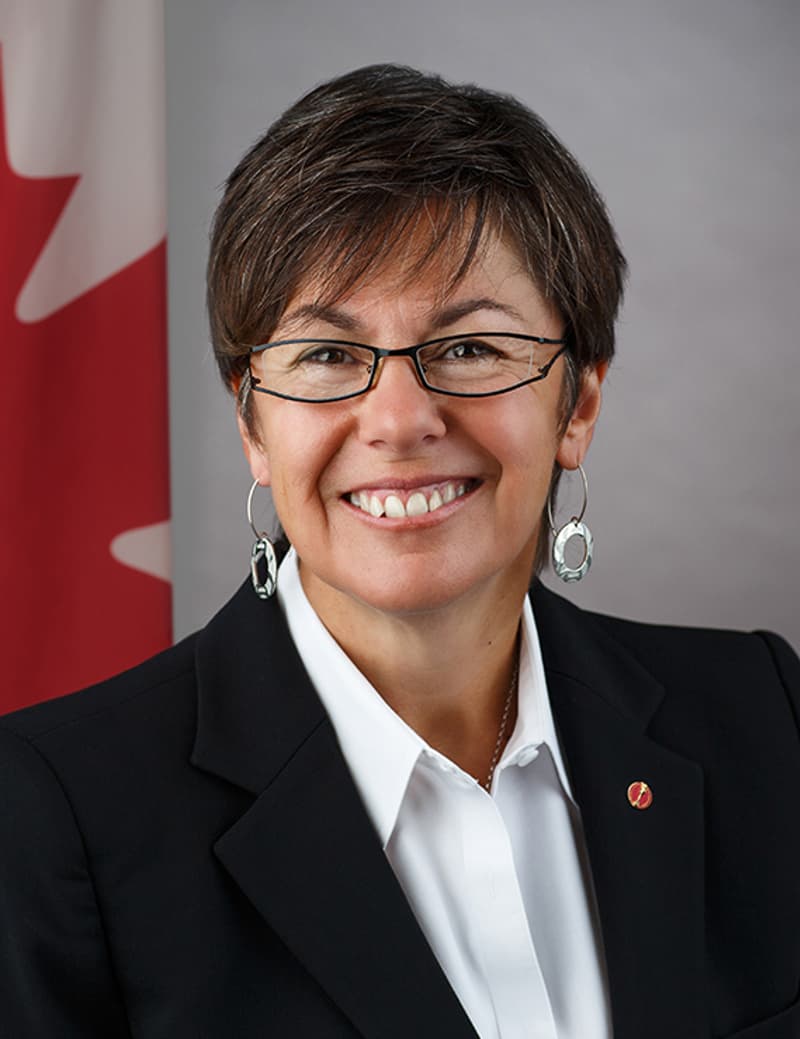
Kim Pate
Publicly called Ontario's mandatory full-cash-bail plan "atrocious," warning it creates a two-tier justice system favoring wealthy accused persons.

Shakir Rahim
Raised jurisdictional concerns on behalf of the CCLA about Ontario legislating into the federally-governed area of bail procedure.

Jessyca Greenwood
Opposed Bill 75's mandatory full-amount cash bail provision on behalf of the Criminal Lawyers' Association.

Melanie Webb
Opposed Bill 75's mandatory full-amount cash bail provision on behalf of the Canadian Bar Association's criminal justice section.

Brandon Chung
Brought the constitutional challenge filed on August 17, 2026 — the same day the cash-deposit rules under the Keeping Criminals Behind Bars Act took effect — arguing that bail is a matter of federal jurisdiction and that the provincial rules violate the Charter. No hearing or injunction date had been set as of publication.

Howard Sapers
Executive Director of the Canadian Civil Liberties Association, quoted as a critic of Ontario's cash-bail rules when they took effect on August 17, 2026 and were challenged in court the same day.

Alison Craig
Criminal lawyer quoted as a critic of Ontario's cash-bail rules, which require cash deposits within two business days and took effect August 17, 2026.

Doug Downey
As Ontario's Attorney General, Downey is the minister responsible for the Keeping Criminals Behind Bars Act, whose cash-deposit provision took effect on August 17, 2026 and was challenged in court as unconstitutional the same day.
Why It Matters
Bill 75's marketing title, "Keeping Criminals Behind Bars Act," is generic tough-on-crime branding that conceals its most consequential provision: Schedule 2 rewrites the Bail Act to require accused persons or their sureties to deposit the full cash bail amount upfront in every case, replacing the roughly 10% recognizance system that has governed Ontario bail for decades. Under the old system, a surety promising to forfeit $10,000 if the accused skipped court didn't need $10,000 in hand — only about $1,000. Under Bill 75, they need the full amount, in cash, before release. National Magazine, the Canadian Bar Association's own publication, reported the plan as "atrocious" — the word used by Senator Kim Pate, a long-time advocate for criminalized and marginalized people.
Legal organizations across the spectrum flagged the same problem: this isn't just harsh, it may be ultra vires. Criminal procedure, including bail, is exclusive federal jurisdiction under the Constitution — a province cannot rewrite the practical mechanics of who gets released and how without running into the Criminal Code's bail provisions. The Canadian Civil Liberties Association (Shakir Rahim) raised jurisdiction concerns directly. The Criminal Lawyers Association (Jessyca Greenwood) and the Canadian Bar Association's criminal justice section (Melanie Webb) both went on record opposing the change. The Ontario Bar Association filed a formal written submission specifically targeting Schedule 2.
The practical effect is a two-tier bail system: accused people with wealthy families or access to cash get released; accused people without it stay in jail pretrial, presumed innocent, simply because they're poor. Ontario's jails are already severely overcrowded — the province's own correctional facilities have run well over capacity, with documented cases of improper releases and inmates held in degrading conditions (see Ontario's jails crisis). Mandatory full-cash bail will push more people who can't pay into that already-strained system, not fewer. Bill 75 passed Third Reading on May 14, 2026 and received Royal Assent as S.O. 2026, c. 7, with the government's press release making no mention of the mandatory full-cash-bail provision at all.
Legal Actions
On August 17, 2026 — the same day Ontario's cash-bail rules under the Keeping Criminals Behind Bars Act took effect, including the provision requiring cash deposits within two business days — lawyer Brandon Chung brought a constitutional challenge in court. The argument, as reported by CP24, is that bail is a matter of federal jurisdiction and that the rules violate the Charter. No hearing or injunction date had been set as of publication. Critics quoted in the coverage include Howard Sapers, Executive Director of the Canadian Civil Liberties Association, and criminal lawyer Alison Craig.
Rippling Effects
Because bail is federal jurisdiction, Schedule 2 of Bill 75 is a plausible target for a Charter or division-of-powers challenge — legal organizations that flagged the constitutional concern before Royal Assent are positioned to litigate once the provision is applied in a real case. Any successful challenge would leave Ontario's bail system in limbo mid-administration, with unclear status for people already held or released under the new rules.
In the meantime, the practical burden falls on people who cannot produce large amounts of cash on short notice — disproportionately low-income and racialized defendants — and on the family members and friends who act as sureties for them. Fewer people will be able to find a surety willing and able to post the full amount, meaning more pretrial detention, not less crime.
The bill's title and public rollout emphasized ancillary provisions — animal cruelty penalties, a police survivors' scholarship fund, dangerous-driving licence suspensions — while burying the bail change and a separate inquest-recording ban (fines up to $25,000 for photographing or publishing at coroners' inquests) that raises its own press-freedom concerns. That pattern of naming a bill for its least controversial provisions while its most consequential change goes unmentioned in government communications is consistent with how other Ford-government omnibus bills have moved contested policy through the legislature with minimal public scrutiny.
The rules stopped being theoretical on August 17, 2026, when the cash-deposit provision requiring payment within two business days took effect — and was challenged in court the same day. Lawyer Brandon Chung brought the constitutional challenge, arguing that bail falls under federal jurisdiction and that the provincial rules violate the Charter. Howard Sapers of the Canadian Civil Liberties Association and criminal lawyer Alison Craig are among the critics quoted. As of publication no hearing or injunction date had been set — which means the two-tier effect operates in the meantime, on real accused people, while the constitutional question waits its turn.