Bill 9 — The Municipal Accountability Act That Was Built Not to Work
June 2, 2026
TL;DR
Bill 9, branded the "Municipal Accountability Act," strips municipalities of the power to write their own codes of conduct and creates a councillor-removal process that requires a near-unanimous vote of the sitting council — a threshold the lawyer who literally wrote Ontario's leading municipal law text calls "fatally flawed."
The Web
3 connections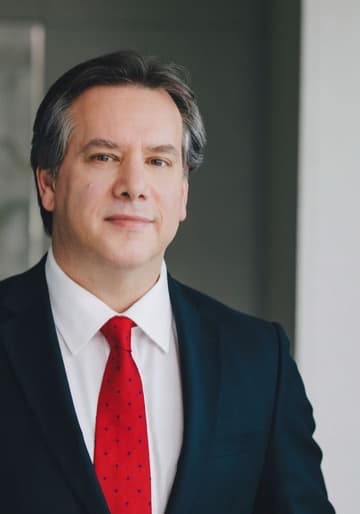
John Mascarin
Called Bill 9's removal mechanism "incredibly flawed, fatally flawed," saying a councillor recommended for removal by both Integrity Commissioners needs only one council ally to keep their seat, and that he doubts anyone will ever be removed under the law.

Rob Flack
As Minister of Municipal Affairs and Housing, sponsored and introduced Bill 9, the Municipal Accountability Act, 2026.
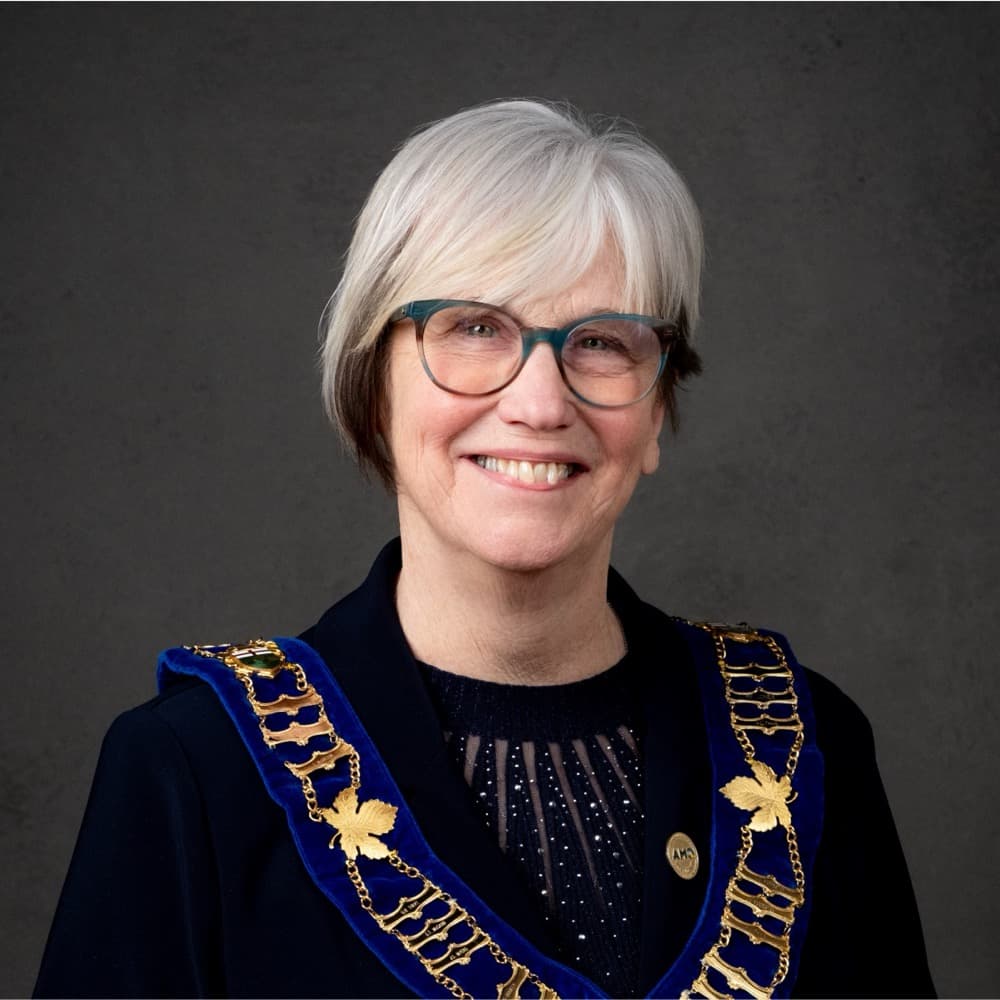
Robin Jones
President of the Association of Municipalities of Ontario, the body whose August 2026 conference hosted both the province's $1-billion infrastructure announcement for municipalities that do not collect development charges (August 16, 2026) and the release of the anonymous survey of 32 municipal Chief Administrative Officers describing retaliation for public disagreement with the province.
Why It Matters
Bill 9, the Municipal Accountability Act, 2026, amends the City of Toronto Act, 2006 (Schedule 1) and the Municipal Act, 2001 (Schedule 2) to take away municipalities' authority to write their own codes of conduct and replace it with a single province-wide code set by cabinet. It also creates the first formal mechanism for removing a sitting councillor for serious misconduct: a local Integrity Commissioner investigates, can refer serious cases to the provincial Integrity Commissioner, and if that office also recommends removal, the decision goes back to council for a vote. Sponsored by Rob Flack, Minister of Municipal Affairs and Housing, the bill passed third reading 110–1 and received Royal Assent on June 2, 2026, becoming Statutes of Ontario 2026, chapter 6.
The removal mechanism is the bill's central flaw, according to municipal lawyer John Mascarin of Aird & Berlis, who told CBC News the bill is "incredibly flawed, fatally flawed" because the final removal decision rests with council rather than a judge. Under the law, a councillor recommended for removal by both the local and provincial Integrity Commissioners can still keep their seat by winning over just one colleague, since the bill requires a unanimous vote of the remaining council members. "My view is I doubt that anyone will ever be removed under this proposal if it becomes law," Mascarin said. In a subsequent Aird & Berlis analysis, Mascarin wrote that requiring unanimity is "a threshold that will likely never be met" and that leaving the decision with elected colleagues rather than courts runs contrary to the goal of depoliticizing misconduct findings.
NDP MPP Jeff Burch made the same point during debate, saying he expected "a very slim chance" the unanimous-vote threshold would ever be met given how councils typically operate. The Association of Municipalities of Ontario supported the bill's broader goals but specifically recommended the province replace the unanimous-vote requirement with a supermajority and expand discipline options beyond an all-or-nothing removal vote — a recommendation the government did not adopt. Democracy Watch's Duff Conacher called the bill "just a few baby steps in the right direction," criticizing its continued reliance on municipally appointed Integrity Commissioners as inherently conflict-ridden.
The Pointer reported that the government held committee hearings across the province in the summer of 2025 that surfaced detailed testimony about a broken local accountability system — including an Arnprior Integrity Commissioner who found no code-of-conduct breach after a mayor denied that racism exists in eastern Ontario, while sanctioning a Black councillor who challenged that denial, and a North Stormont Integrity Commissioner who found a female councillor had "harassed" male colleagues through gender-based criticism. Despite this record, key stakeholder recommendations — including requiring Integrity Commissioners to be lawyers and creating removal mechanisms that do not depend on unanimous council votes — were left out of the final bill.
Rippling Effects
Because the removal mechanism requires a unanimous vote of the remaining council, the practical effect of Bill 9 is a process that looks like accountability but is structurally unlikely to remove anyone. As Mascarin's analysis notes, if council rejects a removal recommendation, no statutory penalty can be imposed at all — meaning even a councillor found by two separate Integrity Commissioners to have engaged in serious misconduct causing harm can be fully protected by finding a single ally on council.
The province-wide standardized code of conduct also overrides municipalities that had already adopted stricter local rules, which Mascarin's analysis flags as a risk of lowering standards in jurisdictions with more robust codes than the new provincial baseline. That standardization takes effect on top of a system The Pointer's reporting shows is already strained: high complaint fees in some municipalities (Niagara Falls raised its fee to $1,000), inconsistent screening of Integrity Commissioners, and cases where Commissioners cleared officials of complaints that included denying the existence of racism.
Advocacy group Women of Ontario Say No argued, per The Pointer, that the unanimous-vote requirement specifically undermines the bill's stated purpose of protecting people — including women in local politics — from unaddressed harassment and misconduct by colleagues who have every incentive to protect one another's seats.
What Bill 9 looks like from the municipal side surfaced on August 18, 2026, when Global News reported on an anonymous survey of 32 Ontario municipal Chief Administrative Officers, compiled by the government-relations firm StrategyCorp ahead of the AMO conference. CAOs described the province as "thin-skinned and unforgiving," said municipalities are used as political "shields," and reported "divide and conquer" tactics and retaliation for public disagreement. One respondent put it bluntly: "The province doesn't accept dissent, and you are punished for it."
This is attitudinal evidence, and it should be weighed as such. Every CAO voice in the survey is anonymous, and the survey was compiled by a government-relations firm rather than a watchdog or auditor. It documents how senior municipal administrators say they experience the relationship — not a documented instance of retaliation. Its relevance to Bill 9 is that a law removing municipalities' power to write their own codes of conduct lands on a sector that already reports fearing the consequences of disagreeing publicly.
The funding side of the same AMO conference shows the other half of the dynamic. On August 16, 2026, Ontario and Canada announced $1 billion in total — $500 million provincial and $500 million federal — for roads, bridges and water infrastructure, available to municipalities that do not collect development charges for that work. Applications open October 29, 2026, with project selection in spring 2027. Robin Jones is President of the Association of Municipalities of Ontario. Conditioning infrastructure money on municipalities giving up a revenue tool is the carrot alongside the stick — and it reaches the same municipalities the CAO survey says already feel they cannot afford to object.