Public Money, Private Gains: Ontario's $300M Condo Developer Bailout
March 10, 2026
TL;DR
The Ford government's Building Ontario Fund quietly committed $300 million in public mezzanine debt to High Art Capital — a little-known private fund — to buy unsold GTA condos from developers and convert them to rentals. Only 25% of the 2,200 units will be "affordable," the developers being bailed out are also paid to manage the properties, and the deal closed in secret two weeks before the public found out.
The Web
7 connections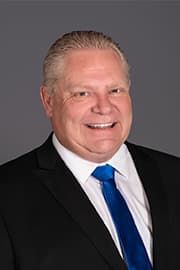
Doug Ford
As Premier, Ford's Building Ontario Fund quietly committed $300 million in public debt to a private fund to buy unsold condos from developers, closing the deal in secret two weeks before it became public.

Peter Bethlenfalvy
Ontario Finance Minister who oversaw the Building Ontario Fund's $300M commitment to the High Art Capital condo conversion initiative, characterized by financial analysts as a developer bailout.
Peter Bethlenfalvy
As Minister of Finance and the minister responsible for the Building Ontario Fund, Bethlenfalvy oversees the Crown agency that committed $300M in mezzanine debt to High Art Capital — a deal closed before public announcement, with no disclosed competitive process, anchoring a $1.3B private fund to absorb developer losses.

Mitchell Cohen
COO of Westdale Properties, which with Reserve Properties developed the Line 5 condo complex in midtown Toronto. Building Ontario Fund-backed High Art Capital bought 43 unsold Line 5 units for $22.3M — about $518,000 per unit, per CoStar's review of land-transfer records — in its first transaction. Cohen told The Globe and Mail: "It was a perfect opportunity."

Ryan Roebuck
As co-founder and managing partner of High Art Capital, Roebuck is the primary private beneficiary of the Building Ontario Fund's $300M mezzanine debt commitment — which anchors a $1.3B fund acquiring unsold GTA condo inventory, with no disclosed competitive selection process.
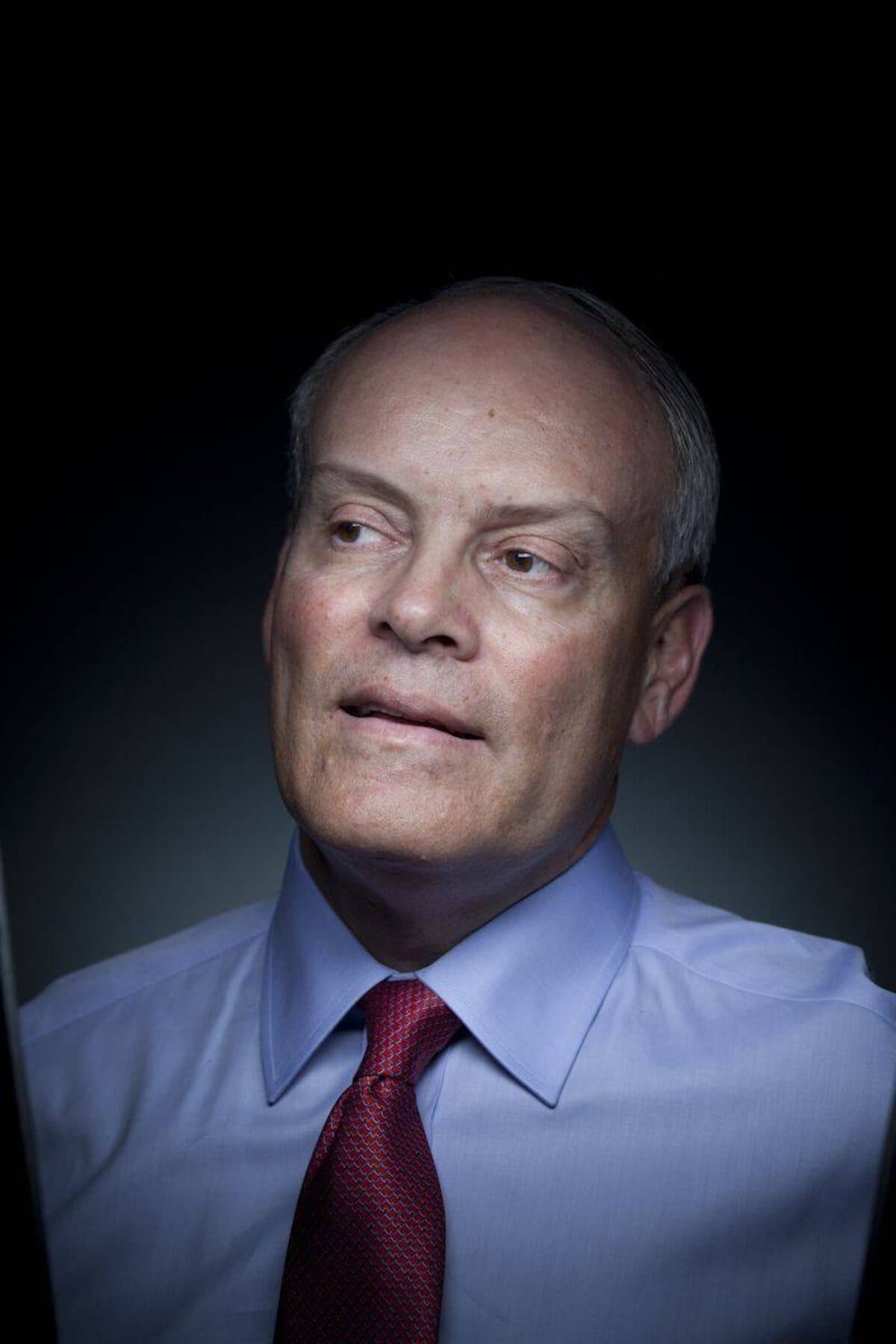
Brian Porter
As Ford-appointed Chair of the Building Ontario Fund, Porter presided over the board that approved the $300M mezzanine debt commitment to High Art Capital — with no disclosed competitive process — making him the key fiduciary authority behind the province's first major housing-market intervention using public infrastructure bank funds.

Robert Kavcic
BMO senior economist who publicly characterized Ontario's $300M BOF commitment to High Art Capital as a developer bailout, helping frame media coverage of the program as a publicly subsidized liquidity lifeline rather than a genuine housing affordability initiative.
Why It Matters
Public mezzanine debt is the most subordinated layer of a fund's capital structure — meaning if the fund underperforms, the BOF (Ontario taxpayers) absorbs losses before private investors do. The government chose to anchor this fund with the most risk-exposed public instrument available, while the private capital sits in a senior position. The combined public exposure — $300M in mezzanine debt plus $169M in HST rebates — totals roughly $469M in public subsidy for a fund managed by a private firm and structured to generate private returns.
The selection of High Art Capital was not transparent. No RFP was issued. No competitive process has been disclosed. The BOF's website does not explain how a fund co-founded by a cannabis-sector executive, two private finance professionals, and a British socialite art dealer was identified as the right vehicle for Ontario's first major housing-market intervention using public infrastructure bank funds. The deal closed before the public announcement; board member Michael Latimer was appointed 16 days before it closed.
The developer conflict is structural, not incidental. The two property management partners — Del Condominium Rentals (Tridel) and Menkes Condominium Rentals — are not neutral third parties. They are among the GTA's largest condo developers, representing the exact class of builders who created the oversupply the fund is designed to absorb. Public money is flowing from Ontario taxpayers, through a Crown agency, to a private fund, to purchase developer inventory, with those same developers then earning management fees on the units. The CCPA researcher who documented this structure put it plainly: it is a bailout dressed up as housing policy.
Only 550 of 2,200 units — 25% — will carry affordability protections, and those protections are defined relative to market rent, not household income. The remaining 75% will be market-rate rentals. Condominium units converted to rentals do not carry the same tenant protections as purpose-built rentals in Ontario. High Art Capital retains the right to sell individual units or convert them back to ownership — meaning the "rental" commitment is not permanent for the market-rate portion. In a province with a housing crisis affecting hundreds of thousands of households, deploying $469M in public subsidy to generate 550 protected affordable units is a poor return.
Rippling Effects
The developer bailout sets a precedent. By using a public infrastructure bank to absorb developer losses during a market downturn, the Ford government has established that Ontario will backstop speculative overbuilding when developers face consequences. This moral hazard — socializing risk while privatizing gains — encourages future speculative cycles. The 20,000+ unsold units in the GTA are not the result of bad luck; they are the result of investor-driven speculative development. The fund absorbs roughly 2,200 of them, leaving 18,000 others unaddressed while signalling to developers that the province will intervene.
By removing ~2,200 unsold units from the sales market and converting them to rentals, the program reduces the condo supply available to buyers — preventing the price corrections that would have naturally occurred had the units remained on the market. A BMO economist and multiple housing analysts noted this effect. The government has used public money to stabilize developer revenues at the cost of affordability for potential condo buyers.
The structure of the BOF — $8 billion in discretionary provincial investment authority, governed by a minister-appointed board, with no mandatory public procurement — means the condo deal is one of the first exercises of a broader power that operates with minimal legislative scrutiny. The Building Ontario Fund Act was passed as part of the 2024 Budget omnibus. Future deals of the same structure — public mezzanine debt to private fund managers, announced after the fact — will be difficult to challenge through normal democratic channels.
The fund's Bloomberg profile suggests High Art Capital is on track to exceed its $1.3B target, potentially acquiring even more unsold GTA units. As the fund scales, the public exposure scales with it through the mezzanine position. What began as a $300M commitment could grow into a much larger public backstop for private real estate speculation — with the same structural conflicts, the same opacity, and the same 25% affordability floor.