Ontario Stops Publishing Child Welfare Death Reports After Statistics Hit Record High
February 25, 2026
TL;DR
Ontario's Ministry of Children, Community and Social Services quietly stopped producing its annual reports tracking child welfare-connected deaths — reports that showed the number rising every year, reaching 134 in 2023, one every three days. Internal government documents show officials flagged the death statistics as a PR problem that could "overshadow" a planned announcement. When Global News filed an FOI in early 2026, the ministry said the records didn't exist.
The Web
6 connections
Doug Ford
As Premier, Ford's government quietly stopped publishing annual child welfare death reports after internal documents flagged the rising statistics as a PR problem that could overshadow a planned announcement.

Lisa Gretzky
As NDP Shadow Minister for Children, Gretzky publicly condemned the suppression of child welfare death reports as "irresponsible and frankly sickening" and called for accountability over the rising death toll.
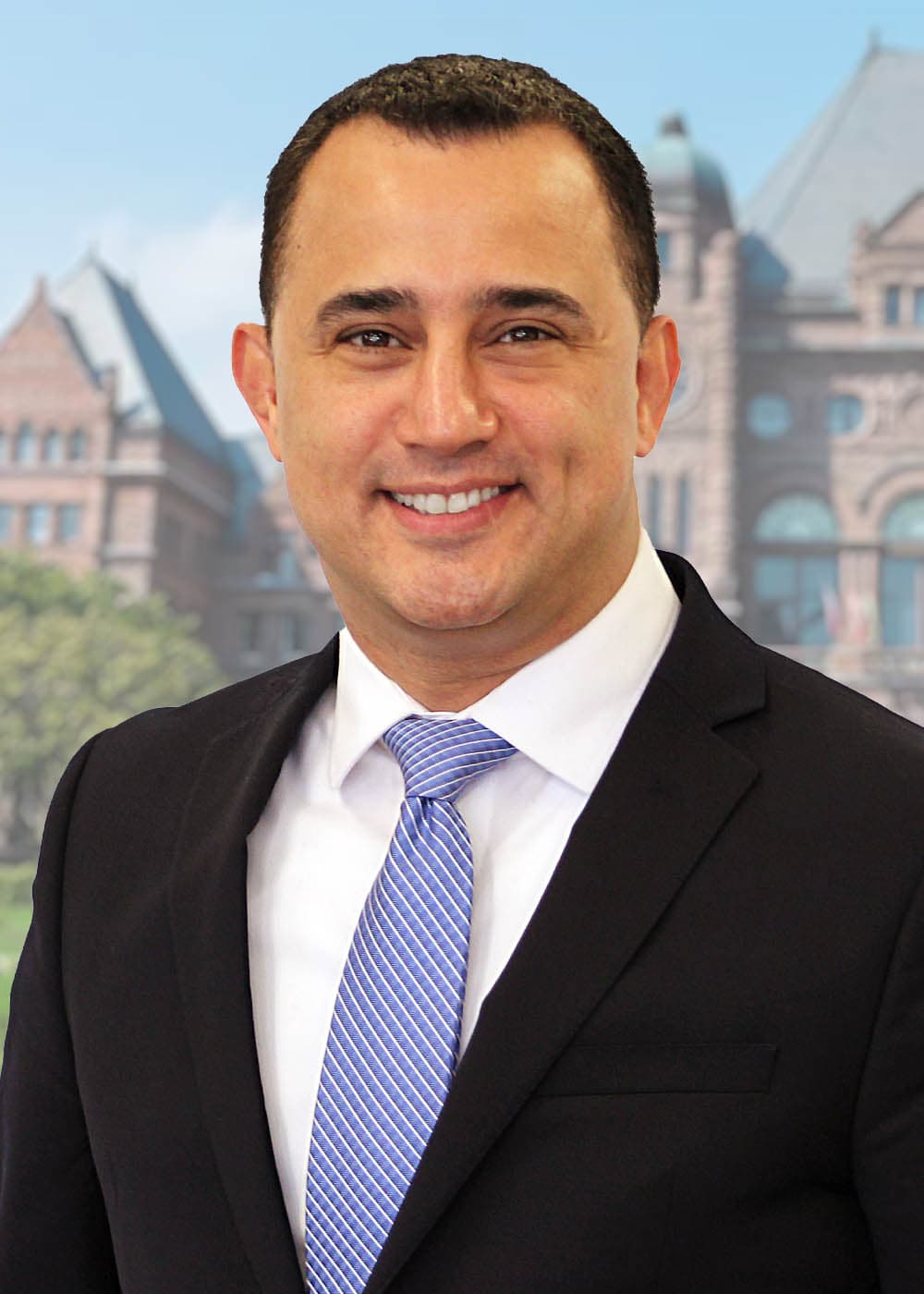
Michael Parsa
As Minister of Children, Community and Social Services from March 2023, Parsa presided over the period during which the ministry stopped producing annual child welfare death summary reports. His ministry's internal documents framed the rising death toll as a communications liability. His FOI response confirmed no aggregate data was compiled for 2024 or 2025.

Irwin Elman
Former Provincial Advocate whose independent office — with statutory rights to be notified of child welfare deaths — was abolished by the Ford government in 2019. Elman's abolition was the first step in dismantling child welfare accountability; the suppression of death reports in 2024–25 was the second.

Sara Austin
As CEO of Children First Canada, Austin provided expert commentary on Ontario's rising child welfare death toll and called for systemic accountability — including after the government stopped producing aggregate death data.
Barbara Finlay
As Acting Ombudsman, Finlay's 2025-26 annual report logged a record 35,023 cases — up 43% in three years — including record complaint volumes about child protection services.
Why It Matters
These are not anonymous deaths. They are children who were known to the state — children with open protection files, children in direct care, children recently discharged from supervision. The child welfare system exists precisely because society has determined that some children cannot be protected by their families alone and need the state to intervene. When a child dies within that system's reach, documenting and understanding that death is the minimum condition for accountability. The annual death summaries were that documentation. Without them, there is no aggregate picture, no trend line, no year-over-year comparison, no way to know whether the system is getting safer or more dangerous.
The internal communications snapshot is damning not because it proves a coverup — it proves something worse: the government viewed rising child deaths primarily as a public relations problem. The question officials were preparing to manage was not how do we reduce these deaths but how do we prevent the deaths from overshadowing our policy announcement. The solution was to eliminate the data. Children dying in the province's care became a communications variable to be managed rather than a governance failure to be addressed.
This is the second time the Ford government has dismantled an accountability mechanism for child welfare deaths. In 2019, it abolished the Office of the Provincial Advocate for Children and Youth — an office that had the statutory right to be notified when a child welfare-connected child died, and which used that right to demand explanations and push for systemic change. The advocate's office was replaced with nothing equivalent. The annual death summary reports were the fallback. Now they are gone. What remains is the Chief Coroner's CYDRA unit, which publishes separate reports on a longer lag and without the ministry's own accountability framing. The aggregate accountability infrastructure has been systematically dismantled over six years.
The 134 children who died in 2023 include 28 First Nations children with agency involvement — a population already historically over-represented in the child welfare system as a result of colonial policies. The Truth and Reconciliation Commission's Calls to Action include explicit requirements for data collection and reporting on Indigenous children in care. Eliminating aggregate death reports is not neutral with respect to those obligations. The province's failure to track these deaths makes it structurally impossible to measure whether the harms documented by the TRC are being reduced or perpetuated.
Rippling Effects
Without aggregate data, the children's aid societies, researchers, advocates, and journalists who might identify systemic patterns have no common baseline. Individual deaths can still be reported — and some will be — but the pattern that tells you whether the system is improving or deteriorating disappears. That is precisely the point. Systemic accountability requires systemic data. The Ford government has ensured that accountability cannot be exercised in the most straightforward way.
The 2024 and 2025 CAS audits — announced partly to manage the PR problem the death statistics created — remain delayed as of early 2026. Global News reported in 2026 that the audits have been repeatedly pushed back. Critics have called the delays "suspicious." The audits were the stated justification for the communications framing that preceded the reports being discontinued. They have not delivered the accountability they promised.
Ontario's child welfare system continues to disproportionately apprehend Indigenous children — a pattern documented by the Truth and Reconciliation Commission, the National Inquiry into Missing and Murdered Indigenous Women and Girls, and Ontario's own Ombudsman. The 28 First Nations children who died with agency involvement in 2023 represent a specific failure that demands specific accountability. Eliminating the aggregate data makes it harder to track whether the overrepresentation of Indigenous children in dangerous welfare situations is being addressed or worsening. It is a structural barrier to implementing the TRC's Calls to Action.
The children who died in Ontario's child welfare system will not generate political consequences proportionate to their deaths unless the data exists to make the scale visible. Irwin Elman, whose office Ford abolished, put it plainly: "These children should live through our attempts to protect them... what lower bar do we have?" The answer, in practice, has been: a lower one each year. The abolition of the advocate's office, the elimination of death notification rights, and now the discontinuation of aggregate death reports form a coherent arc. The arc bends away from accountability. These children — 104, then 129, then 121, then 134 — are the cost of that arc.