Dresden Dump Deal: Ford Cancels Environmental Assessment for $200K PC Donor's Landfill Over Endangered Species Habitat
June 5, 2025
TL;DR
The Ford government promised a comprehensive environmental assessment for a proposed landfill directly upstream from Canada's only population of the salamander mussel — then buried the reversal inside omnibus Bill 5 after winning a byelection on the promise, exempting a company whose owners donated $200,000 to the PCs from all provincial environmental review, leaving 33 species at risk in one of Canada's most biodiverse rivers with no provincial protection.
The Web
20 connections
Ted Hsu
Filed the formal Integrity Commissioner complaint against Premier Ford and three ministers over the York1 landfill EA reversal and its connection to $200,000 in PC donor contributions from the landfill's owners.

Andrew Guizzetti
Co-owner of York1 Environmental Waste Solutions Ltd., the company proposing to expand the Dresden landfill. The Guizzetti brothers and their associates donated approximately $200,000 to PC causes since 2018, with over 50 executives donating exactly $945 each — consistent with ticketed PC fundraising events. Schedule 3 of Bill 5 cancelled the comprehensive environmental assessment the Ford government had promised for the York1 project, directly benefiting Guizzetti's company. Liberal MPP Ted Hsu filed an Integrity Commissioner complaint over the donor-to-decision connection; the Commissioner declined to investigate but made no factual findings.
Andrew Guizzetti
The York1 landfill expansion project at 29831 Irish School Road, Dresden, directly upstream of Canada's only salamander mussel population, was exempted from provincial environmental assessment by Schedule 3 of Bill 5. This exemption eliminates the primary regulatory barrier to the landfill's 30-fold capacity expansion to 6,000 tonnes of waste per day.
Daniel Guizzetti
Co-owner of York1 Environmental Waste Solutions Ltd. with his brother Andrew. The Guizzetti network donated approximately $200,000 to PC causes since 2018. Schedule 3 of Bill 5 cancelled the promised environmental assessment for the York1 landfill, directly benefiting the brothers' company.
Daniel Guizzetti
As co-owner of York1, Daniel Guizzetti directly benefits from Schedule 3 of Bill 5 exempting the Dresden landfill from provincial environmental assessment — clearing the primary regulatory barrier to the proposed 30-fold expansion of the landfill upstream from 33 species at risk in the East Sydenham River.
Brian Brunetti
Business partner of the Guizzetti brothers and co-owner of the York1 landfill corporate group. Part of the donor network that contributed approximately $200,000 to PC causes since 2018. Beneficiary of Schedule 3 of Bill 5, which cancelled the promised environmental assessment for the Dresden landfill.
Brian Brunetti
As a co-owner of York1 Environmental Waste Solutions, Brunetti directly benefits from the Bill 5 Schedule 3 exemption cancelling the provincial environmental assessment for the Dresden landfill — a site directly upstream of Canada's only salamander mussel population and 33 other species at risk.
Steve Pinsonneault
Won the 2024 Lambton-Kent-Middlesex byelection campaigning against the York1 landfill; publicly stated he was "disappointed" when his own government cancelled the promised environmental assessment through Bill 5 Schedule 3. His constituency is directly affected by the proposed 6,000 tonnes/day expansion.
Doug Ford
As Premier of Ontario, Ford's government introduced Bill 5, which included Schedule 3 cancelling the previously promised environmental assessment for the York1 Dresden landfill — a decision made after the byelection the promise helped win, benefiting PC donors who contributed approximately $200,000. The Integrity Commissioner declined to investigate Ford's role but explicitly made no findings about why the government chose to advance this particular landfill.
Tim Gray
Environmental Defence published major reports documenting the threat to the East Sydenham River's species at risk from the York1 landfill and actively opposed the Bill 5 EA exemption through public submissions, ERO filings, and public advocacy.
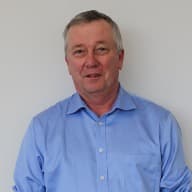
Richard Lindgren
Argued for federal impact assessment designation for the York1 landfill; called the IAAC's October 2025 rejection "disappointing and inconsistent." CELA formally opposed Bill 5's environmental deregulation provisions.
Steven Peacock
Co-founded Dresden C.A.R.E.D. to organize community opposition to the York1 landfill; participated in ERO consultations, requested federal impact assessment, and has been a consistent public voice against the EA reversal in Bill 5.
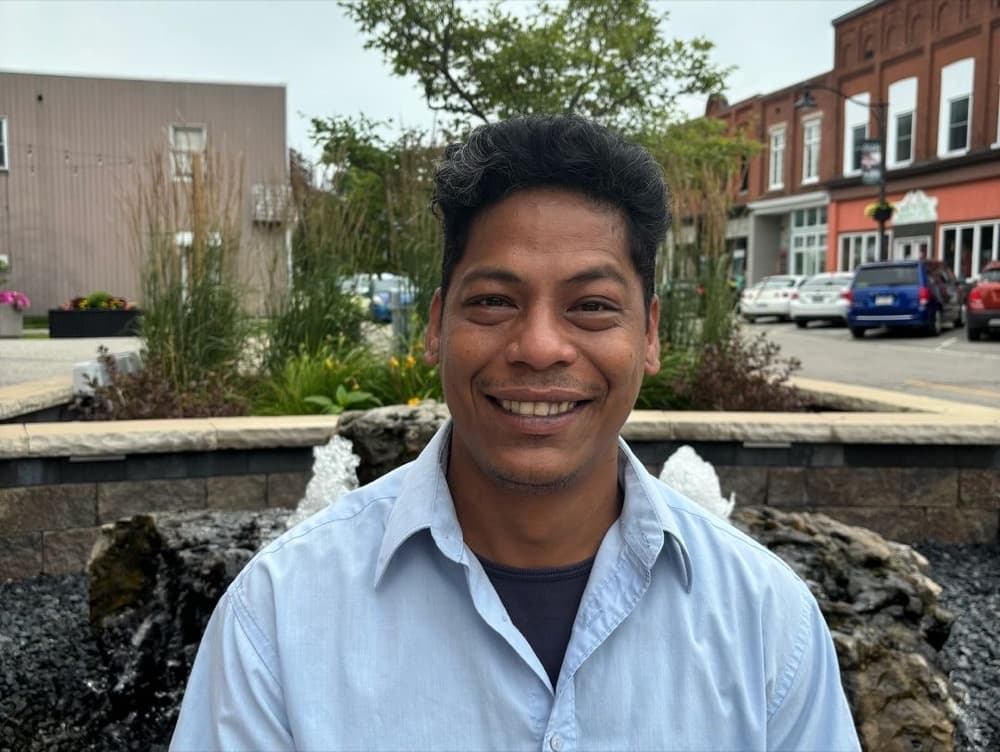
Stefan Premdas
Co-founder of Dresden C.A.R.E.D.; organized community opposition to the York1 landfill and participated in ERO consultations opposing the Bill 5 EA exemption.
Kait Pataki
Dresden resident and community spokesperson opposing the York1 landfill expansion; represents the residents of a 2,500-person town facing a proposed 6,000 tonnes/day waste facility with no comprehensive environmental assessment.

Bonnie Lysyk
Her 2021 Auditor General report documented that permits to harm endangered species had increased 6,262% under Ford and the province had never denied a single application — findings that the Ford government's Bill 5 then made permanent by repealing the Endangered Species Act.
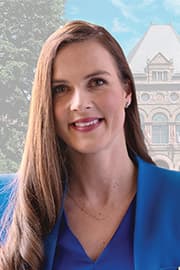
Andrea Khanjin
As Environment Minister, Khanjin announced the province would require a comprehensive environmental assessment for the York1 landfill in March 2024 — a commitment made just before the Lambton-Kent-Middlesex byelection. Schedule 3 of Bill 5 reversed that commitment. Khanjin was named in the Integrity Commissioner complaint filed by MPP Ted Hsu; she denied involvement in developing Schedule 3. The Commissioner declined to investigate.
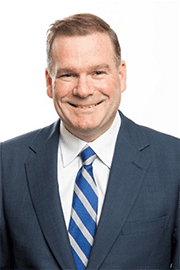
Todd McCarthy
As Minister of Environment, Conservation and Parks, McCarthy defended the EA reversal for the York1 landfill and was named in the Integrity Commissioner complaint filed by Liberal MPP Ted Hsu. He denied involvement in developing Schedule 3. The Commissioner declined to investigate but made no findings on the underlying facts.
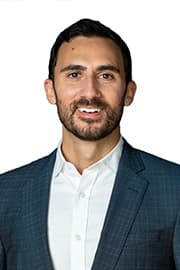
Stephen Lecce
As Minister of Energy and Mines, Lecce introduced Bill 5 on April 17, 2025 — including Schedule 3, which cancelled the provincial environmental assessment promise for the York1 Dresden landfill. Lecce denied involvement in developing Schedule 3 specifically. The Integrity Commissioner named him in the complaint filed by MPP Ted Hsu but declined to investigate.
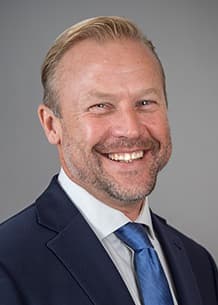
Terence Hubbard
As President of the IAAC, rejected the federal designation request for the York1 landfill in October 2025 — the only remaining avenue for independent environmental review of a project the Ontario government had already exempted from all provincial assessment.

Cathryn Motherwell
Declined to investigate the Integrity Commissioner complaint over the York1 landfill EA reversal in August 2025, explicitly stating she made "no findings about the underlying facts" — leaving the donor-to-decision question unexamined.
Why It Matters
The Dresden landfill case is the most documented example of the Ford government using omnibus legislation to erase a specific environmental promise made to win a byelection, then protect a project owned by major party donors from any independent scrutiny. Unlike speculative risks, the threat to the East Sydenham watershed is precise and measurable: the salamander mussel (Simpsonaias ambigua) has no other known Canadian population. If the only remaining Canadian breeding population is destroyed by leachate contamination from a landfill accepting up to 500 tonnes of asbestos per day, there is no recovery. The species cannot be reintroduced from elsewhere in Canada. The East Sydenham River hosts at least 33 species at risk, including the northern riffleshell — one of only three remaining reproducing global populations — the Blanding's turtle, eastern spiny softshell turtle, eastern foxsnake, and all eight native Ontario turtle species.
The pattern of promise-and-reversal mirrors the Greenbelt scandal exactly: make a commitment to satisfy immediate political pressure (win a byelection in the affected riding), then reverse it through legislation after the political benefit has been captured, benefiting a connected donor who cannot be publicly linked to the reversal through any formal process. The Trillium investigation documented that the Guizzetti brothers, Brian Brunetti, and over 50 executives from their companies donated approximately $200,000 to PC causes since 2018 — including many donating exactly $945, consistent with ticketed fundraising events. The Integrity Commissioner's August 2025 ruling that "reasonable and probable grounds" were not met was not an exoneration: her report explicitly states she had "no information about why the government found it important to advance this particular landfill."
The community of Dresden — a town of 2,500 — faces a facility that would truck in 6,000 tonnes of waste per day from across Ontario and the GTA, operating 24/7 with no comprehensive environmental assessment. Chatham-Kent municipal council passed a unanimous resolution opposing the project and committed $250,000 to fight it legally. Its own elected MPP Steve Pinsonneault stated publicly he was "disappointed" the government reneged. The Environmental Registry of Ontario received 2,162 submissions opposing the EA reversal — only four were supportive. None had any legal effect because the exemption was written into statute rather than regulation, bypassing the normal regulatory process entirely.
A 2021 Auditor General report had already found that permits to harm endangered species increased 6,262% since 2009 and the province had never denied a single permit application. The same report found 10 of 15 members on the species advisory committee worked for industry, half as registered lobbyists. Bill 5's simultaneous repeal of the Endangered Species Act removed the provincial legal framework that would have required assessment of the landfill's impact on the 33 at-risk species in the Sydenham watershed. Under the new Species Conservation Act, the habitat definition was gutted: only the immediate nest or den area is protected, eliminating the concept of a protected river corridor. Under the old ESA, development affecting the salamander mussel's river habitat would have triggered mandatory assessment. Under the new law, companies self-register.
Ontario's conservation authorities — the local scientific bodies that historically reviewed development proposals for impacts on biodiversity and water quality — were stripped of their ability to mandate conditions protecting species at risk by Ontario Regulation 41/24, passed in 2024. In Chatham-Kent, the Lower Thames Valley Conservation Authority no longer has legal authority to require that York1's operations include conditions protecting the Sydenham watershed. The provincial safety net, the federal backup (which acknowledged potential harm but declined designation), and the local oversight body have all been progressively dismantled around this one project.
Legal Actions
York1 Environmental Waste Solutions Ltd. filed a challenge in Ontario Superior Court in Chatham arguing the Dresden landfill development does not require any land use planning approvals from Chatham-Kent municipal council, based on claimed non-conforming use status from prior approvals granted to the property's previous owner. A first procedural hearing was held March 17, 2026. Full hearing date: September 21, 2026. Chatham-Kent council committed $250,000 to defend the municipality's position that planning approvals are required.
Filed April 8, 2026 by Ecojustice on behalf of Wildlands League, Environmental Defence Canada, Friends of the Earth Canada, and Democracy Watch. The challenge argues the Special Economic Zones Act unconstitutionally delegates legislative powers to the executive in violation of Section 92 of the Constitution Act — a provision the notwithstanding clause cannot shield. The SEZ Act is the legal mechanism enabling the EA exemption framework that exempted the York1 project. Ecojustice described Cabinet's power to suspend any provincial law for designated proponents as "an abdication of the legislative role."
Dresden C.A.R.E.D. and environmental groups requested that the federal Impact Assessment Agency of Canada designate the York1 project for a federal impact assessment. On October 30, 2025, IAAC President Terence Hubbard rejected the request — despite acknowledging the project "may cause adverse effects" to fisheries, migratory birds, and species at risk. His ruling cited existing federal laws (Fisheries Act, Species at Risk Act, Environmental Protection Act) as adequate. CELA counsel Richard Lindgren called the decision "disappointing and inconsistent." Dresden C.A.R.E.D. stated they were considering an appeal.
Liberal MPP Ted Hsu filed a formal complaint in May 2025 with Ontario Integrity Commissioner Cathryn Motherwell alleging Premier Ford and Ministers Khanjin, McCarthy, and Lecce may have contravened the Members' Integrity Act in connection with their handling of the Dresden landfill EA reversal, based on donor connections reported by The Trillium. On August 20, 2025, Motherwell issued her report declining to investigate, finding the "reasonable and probable grounds" threshold was not met. Her report explicitly stated she made "no findings about the underlying facts" and had "no information about why the government found it important to advance this particular landfill at this time." All four politicians denied wrongdoing.
Rippling Effects
The precedent set by Schedule 3 of Bill 5 is that any developer with sufficient political connections and a project that can be framed as economically necessary can have a promised environmental assessment cancelled through omnibus legislation, without public consultation on that specific reversal. The ERO consultation on the EA exemption received 2,162 largely oppositional submissions — none of which had any legal effect because the exemption was written into statute. This means the government can permanently remove review requirements for specific projects without any regulatory process, public hearing, or independent assessment.
The salamander mussel's sole Canadian population is now protected only by the federal Species at Risk Act. Under SARA, critical habitat for listed species must be legally protected, but enforcement depends on federal capacity that the Commissioner of the Environment and Sustainable Development warned in November 2024 is already insufficient. The federal IAAC rejected a designation request in October 2025 despite acknowledging the landfill "may cause adverse effects" to species at risk — citing existing federal laws as adequate. Those same laws were used as justification for granting the provincial exemption. It is a circular guarantee: the federal backstop cited to justify removing the provincial check is itself inadequate to the task it was cited for.
York1 is already operating on the site at reduced capacity (75 tonnes/day) under a merged Environmental Compliance Approval. Their court challenge argues prior approvals granted to the property's previous owner confer non-conforming use status, eliminating the need for any municipal planning approvals from Chatham-Kent Council. If that argument succeeds in the September 2026 Superior Court hearing, the project would proceed without municipal oversight, without a provincial environmental assessment, and with only federal protection operative — over a community that voted unanimously against it, through a council that committed $250,000 to fight it.
A constitutional challenge filed April 8, 2026 by Ecojustice on behalf of Wildlands League, Environmental Defence Canada, Friends of the Earth Canada, and Democracy Watch targets the Special Economic Zones Act provisions of Bill 5, arguing Cabinet's power to suspend any provincial law for designated proponents unconstitutionally concentrates legislative authority in the executive in violation of Section 92 of the Constitution Act. Because the notwithstanding clause does not apply to Section 92 arguments, Bill 5's existing provisions cannot shield this challenge. Ecojustice described the SEZ Act as "an abdication of the legislative role." If successful, the ruling could reopen questions about the legitimacy of the EA exemptions embedded in Bill 5's other schedules, including Schedule 3.
The broader ecosystem of the Sydenham watershed is already under pressure from agricultural runoff and industrial discharge into Lake St. Clair. The salamander mussel does not require a catastrophic contamination event to be extirpated from Canada — chronic low-level leachate input affecting mussel host fish or altering river chemistry could achieve the same result over a shorter timeframe than any formal impact assessment would have considered. The East Sydenham River is described by scientists as one of Canada's most biodiverse waterways, hosting 80 fish species and 34 freshwater mussel species. Once the salamander mussel's only Canadian population is gone, no recovery is possible.