Ford Al-Quds Day Defamation Lawsuit
May 1, 2026
TL;DR
After a court rejected Doug Ford's emergency injunction to stop Toronto's 2026 Al-Quds Day rally for lack of evidence, organizers sued the Premier for defamation, alleging his public characterizations were reckless, malicious, and motivated by animus against the Muslim community.
The Web
2 connections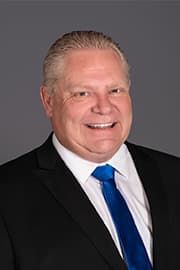
Doug Ford
After a court rejected his emergency injunction against Toronto's 2026 Al-Quds Day rally for lack of evidence, rally organizers sued Premier Ford for defamation, alleging his public characterizations were reckless and motivated by animus.

Stephen Ellis
Lawyer for Al Quds Outreach Committee Toronto; sent cease-and-desist to Ford on March 18, 2026 and filed defamation lawsuit in late April 2026.
Why It Matters
The injunction attempt was itself a use of state power to suppress a lawful public assembly — the Ontario Superior Court's rejection found the government lacked sufficient evidence to meet the legal threshold for restricting Charter-protected rights of assembly and expression. See the predicate scandal at Ford Government's Failed Injunction Against Al-Quds Day Rally for the full record of that proceeding.
Ford refused to retract despite the court loss, creating the conditions for civil liability. The cease-and-desist sent March 18, 2026 set a deadline of March 22 with no response from Ford's office. By proceeding to a defamation filing, the Al Quds Outreach Committee Toronto is asking the courts to assess whether a sitting Premier's public characterizations of a community organization — characterizations a judge had already found unsupported by evidence — constitute actionable defamation.
If the malice allegation is proven, it would strip Ford of the qualified privilege defence that politicians otherwise enjoy when commenting on public events. Politicians benefit from qualified privilege when making statements on matters of public concern in good faith — but that privilege is defeated by evidence of malice. An evidentiary record showing Ford pressed ahead with claims a court had already rejected could bear directly on the malice question.
The lawsuit seeks $27,500 in damages according to CBC News reporting. Whatever the outcome on damages, the proceeding will create a public record testing the boundaries of governmental speech about religious and community organizations — with implications extending well beyond this case.
Legal Actions
Defamation lawsuit filed by the Al Quds Outreach Committee Toronto against Premier Doug Ford in late April 2026, alleging his public statements about the annual Al-Quds Day rally were reckless, malicious, and placed the committee in a false light that a reasonable person would find offensive. Seeking $27,500 in damages. Note: filing date and damages figure come from CBC News reporting — verify manually.
The Ford government sought an emergency injunction from the Ontario Superior Court on March 13, 2026 to stop the Al-Quds Day rally. The court rejected the injunction for lack of evidence on March 14, 2026, and the rally proceeded as planned.
Rippling Effects
This lawsuit is a direct downstream consequence of the injunction scandal: government resources were spent on a losing legal action, the Premier refused to retract the statements that animated it, and the community organization targeted by those statements had no remedy other than civil litigation. The injunction's failure did not end the controversy — it escalated it.
The case may set precedent for civil liability when politicians make public statements about community events without evidentiary basis. Defamation law has long extended to public figures and officials, but cases involving a sitting Premier's statements about a named organization — where a court has already assessed the evidentiary weight of those statements and found it wanting — are rare. The outcome could clarify how qualified privilege applies when the factual predicate for a public statement has been judicially rejected.
Broader implications follow for how Ontario's government communicates about Muslim community organizations and public demonstrations. The cease-and-desist letter alleged Ford's statements were motivated by animus against the Muslim community. If that allegation advances in court, it will generate discovery and a public record on questions of motivation that are otherwise rarely examined.