Ford Fest Photo Edited to Erase Striking Workers from the Crowd
June 23, 2026
TL;DR
On June 23, 2026, two Progressive Conservative MPPs — including Attorney General Doug Downey and Scarborough MPP David Smith — posted an aerial photo of Ford Fest that appeared to have been edited to remove the purple shirts of roughly 850 striking community and social-service workers, making the crowd look uniformly blue with PC supporters. The Premier's Office denied doctoring the image, calling the change routine "colour correction."
The Web
5 connections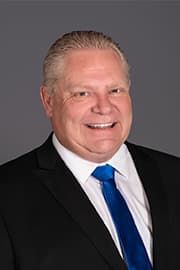
Doug Ford
As Premier, Ford was the subject of the Ford Fest event, and his office defended the altered image as routine "colour correction" applied to remove an "orange hue," denying that the photo had been doctored.

Marit Stiles
As Ontario NDP leader, Stiles was among the opposition critics who slammed the Ford government over the edited Ford Fest photo that appeared to erase striking workers from the crowd.
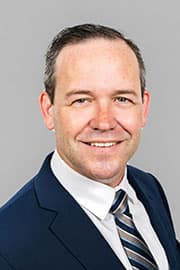
Doug Downey
As Ontario's Attorney General, Downey was one of two Progressive Conservative MPPs who posted the aerial Ford Fest photo that appeared to have been edited to remove the purple shirts of roughly 850 striking community and social-service workers.
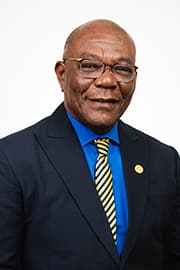
David Smith
Scarborough PC MPP who, alongside Attorney General Doug Downey, posted the aerial Ford Fest photo that appeared to have been edited to erase the purple shirts of striking community and social-service workers from the crowd.

JP Hornick
As OPSEU President, Hornick criticized the edited Ford Fest photo that appeared to erase the purple shirts of striking community and social-service workers — part of OPSEU's "Worth Fighting For" campaign — from the crowd.
Why It Matters
On June 23, 2026, two Progressive Conservative MPPs — including Attorney General Doug Downey and Scarborough MPP David Smith — posted an aerial photo of Ford Fest that appeared to have been edited to remove the purple shirts of roughly 850 striking community and social-service workers, making the crowd look uniformly blue with PC supporters. The Premier's Office denied doctoring the image, describing the change as routine "colour correction" and default saturation applied to remove an "orange hue." When the office of Ontario's chief law officer circulates a public-facing image that erases the visible presence of striking workers, the integrity of government communications is squarely on the line.
The workers who appear to have been edited out were not incidental. They were part of OPSEU's "Worth Fighting For" campaign — roughly 850 of them present that day in purple shirts — drawn from a strike of approximately 4,000 community and social-service workers. The image was not a private photo; it was distributed by elected officials, including the Attorney General. Opposition critics, including NDP leader Marit Stiles, slammed the government over the edit, and OPSEU President JP Hornick condemned it directly. The defence — that the alteration was nothing more than colour correction — invites the public to accept that a routine technical step happened to make a group of protesting workers disappear from the frame.
The deeper concern is what it signals about how this government treats inconvenient facts. Erasing the visible evidence of a labour dispute from an official photo is a small act, but it fits a recognizable pattern of managing the picture rather than the substance. The workers in those purple shirts were on strike because of a real grievance, and the apparent instinct was to remove them from the image rather than answer for the conditions that put them there. That instinct — to edit the record rather than confront it — is precisely what civic accountability exists to resist.
Rippling Effects
The most immediate effect is reputational, and it lands on the office of the Attorney General. Doug Downey is Ontario's chief law officer, responsible for the administration of justice and for upholding standards of conduct across government. Having his name attached to a public image that appears to erase striking workers undermines the credibility he is supposed to embody. Once a single official photo is shown to have been altered in a way that flatters the government, every subsequent government-issued image invites the same suspicion. Trust in official visuals does not recover easily.
The controversy also amplified the very strike the edit appeared designed to obscure. By posting and defending the image, the government drew sustained attention to the roughly 4,000 OPSEU community and social-service workers who walked off the job on May 25, 2026, and to the Bill 124 retroactive-pay dispute connecting them. OPSEU President JP Hornick used the moment to spotlight the workers' demands, and the "Worth Fighting For" campaign gained a vivid symbol: a government willing, in the eyes of its critics, to delete strikers from a photo rather than meet them at the table. The attempt to remove the purple shirts made them more visible, not less.
Finally, the episode sharpens the opposition's broader argument about how this government communicates. The NDP, led by Marit Stiles, folded the edited photo into a wider critique of a government accused of managing optics over substance. Whether or not one accepts the Premier's Office explanation of "colour correction," the political cost is real: an image meant to project a wall of friendly support instead became a story about what the government would rather the public not see. That is the durable lesson of the incident — that erasing the record tends to draw more attention to the thing being erased.