Ford's TTC Takeover (Bill 98)
March 30, 2026
TL;DR
Ford's Bill 98 strips Toronto and the TTC Board of all authority over fares, service standards, and transit governance — handing the Minister of Transportation unchecked power to set prices, zones, and routes for the first time in over a century. Transit workers, riders, city council, and even TTC management are unanimous in opposition, but Ford's majority means the bill will pass.
The Web
12 connections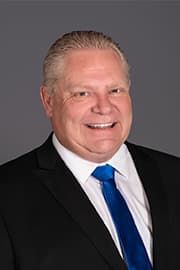
Doug Ford
As Premier, Ford's Bill 98 strips Toronto and the TTC Board of all authority over fares and service, handing his Transportation Minister unchecked control for the first time in over a century, over unanimous opposition from riders, workers, and city council.
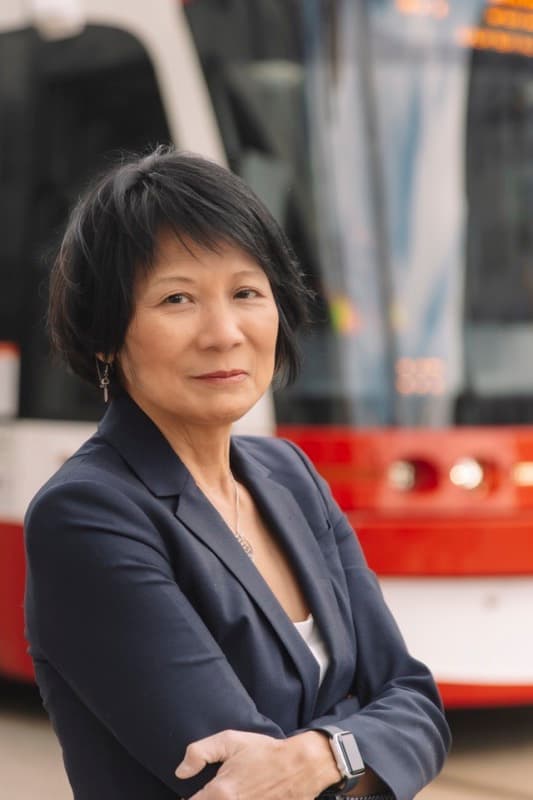
Olivia Chow
Mayor Chow's two signature transit achievements — three consecutive fare freezes and a fare capping program making transit free after 47 trips per month — are directly threatened by Bill 98's removal of TTC fare authority. Toronto City Council, under Chow's leadership, passed a motion opposing the legislation and demanding local fare control be preserved.

Jessica Bell
NDP MPP Jessica Bell raised at Queen's Park that Bill 98 does not restore provincial funding to cover 50% of municipal transit operating costs — costs the province downloaded onto cities years ago. Bell called on the government to ensure fare changes come with compensating subsidies and opposed the removal of TTC Board authority over fares.

Marvin Alfred
As president of ATU Local 113, Alfred testified at Queen's Park against Bill 98 and warned that its provisions could allow the province to contract out TTC bus routes to private operators — eliminating a century of collective agreements governing TTC employment. He demanded the bill be limited to cross-boundary routes only and that any fare changes come with compensating provincial subsidies.
Andrew Pulsifer
Pulsifer publicly warned that Bill 98 would drive up TTC fares, stating: "Toronto has one of the lowest fares in the region, so I think it's inevitable that if this goes through, fares will go up, which will have a disproportionate impact on those who can least afford it." TTCriders organized advocacy against the bill and participated in the May 9, 2026 day of action.

Mandeep Lali
As TTC CEO, Lali testified against Bill 98 at Queen's Park committee on May 7, 2026 — joining transit workers and riders advocates in institutional opposition to the Ford government's takeover of TTC fare and service authority. His testimony emphasized protecting local service levels and securing reliable operating subsidies, concerns not addressed in the legislation.

Tom Rakocevic
As NDP transit critic, Rakocevic engaged with transit unions and prepared amendments at committee to limit Bill 98's transit takeover provisions. He coordinated with ATU Local 113 to strengthen opposition and worked alongside Liberal transit critic Andrea Hazell to push back on the bill's removal of TTC Board authority.

Andrea Hazell
As Liberal transit critic, Hazell joined the NDP in opposing Bill 98's removal of TTC Board authority over fares and service standards at committee. She supported amendments seeking to limit the province's transit control powers.
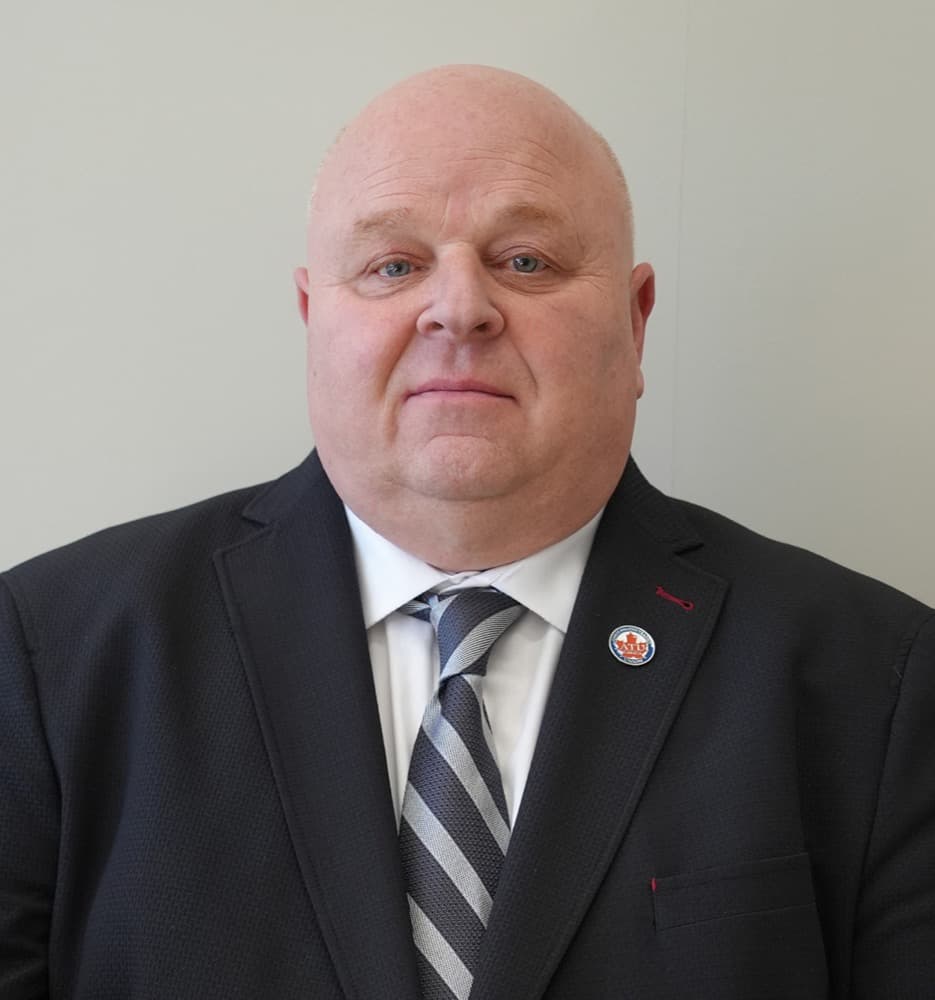
John Di Nino
As ATU Canada president, Di Nino joined GTHA transit unions in formally calling on the Ford government to halt the Bill 98 fare integration expansion on April 9, 2026. He characterized the bill as an unprecedented provincial takeover of municipal transit with no enforceable protections for service levels, fare revenue, or worker rights.

Adil Shamji
Shamji opposed Bill 98's transit provisions, raising concerns about the impact on affordable housing near transit hubs and the broader pattern of provincial override of municipal democratic decisions.

Prabmeet Sarkaria
As Ontario's Minister of Transportation, Sarkaria introduced and champions Bill 98's transit takeover provisions, which he branded "One Fare 2.0." The bill's Schedule 4 transfers fare-setting authority, service standards, and route designation powers from the TTC Board and Toronto City Council directly to the Minister of Transportation — his own office.

Kinga Surma
As Ontario's Minister of Infrastructure, Surma co-announced Bill 98 alongside Transportation Minister Prabmeet Sarkaria on March 30, 2026. The bill's transit takeover provisions are framed as infrastructure integration but grant the province sweeping unilateral control over TTC fares, service standards, and route operations.
Why It Matters
For over a century, Toronto set its own transit fares — a matter of local democratic accountability that allowed the TTC Board, elected councillors, and by extension Toronto voters to determine what it costs to get around the city. Bill 98 ends that. Schedule 4 of the bill, the Fare Alignment and Seamless Transit Act, 2026, gives the provincial Minister of Transportation unilateral power to set fare prices, discount policies, transfer rules, and service standards for any transit system he designates — including the TTC. The TTC Board and Toronto City Council will have no formal role.
The legislation goes further than fare control. The Minister can prescribe geographic fare zones, meaning riders could pay different amounts depending on where they are going within the city — the first time in TTC history that a trip from Scarborough to Etobicoke could cost more than one from downtown to midtown. The bill also allows the province to apportion TTC fare revenue to other regional agencies, effectively subsidizing systems in Brampton, Mississauga, or Hamilton using money collected from Toronto riders. And it designates "priority routes" where the province — not the city — determines which operator provides service, opening the door to contracted-out bus routes.
The legislation contains no service level minimums, no worker protections, and no requirement that any fare changes come with compensating provincial funding. ATU Local 113 represents nearly 12,000 TTC workers. Its president Marvin Alfred put it plainly: the bill could allow the province to contract out TTC bus routes to private operators — something that has never happened in the TTC's history. The union, the TTC's own CEO Mandeep Lali, the TTC Board, and Toronto City Council are all on record against the bill. That degree of institutional unity in opposition is extraordinary.
Mayor Olivia Chow's two signature transit achievements — three consecutive years of fare freezes and a fare capping program that makes transit free after 47 trips per month — are directly threatened. Both policies are expressions of local democratic decisions about transit affordability. Once the province holds regulatory authority over fare structures and discount programs, those policies can be overridden or eliminated by ministerial order, without a council vote, without a TTC Board meeting, and without any public consultation requirement written into the legislation.
Rippling Effects
The most immediate risk is fare increases. As TTCriders Executive Director Andrew Pulsifer stated, "Toronto has one of the lowest fares in the region, so I think it's inevitable that if this goes through, fares will go up, which will have a disproportionate impact on those who can least afford it." A zone-based fare system — which the provincial government has floated — would charge more for longer trips, hitting residents in Scarborough, Etobicoke, and North York hardest. These are also among Toronto's lower-income communities with the highest transit dependency.
The union and advocacy sector see privatization as the logical endpoint. ATU Local 113 expects that once regulations under the Fare Alignment and Seamless Transit Act are written, the province will use them to contract out TTC bus routes on cross-boundary corridors to private operators. There are no provisions in the legislation preventing this. Under privatization, workers lose collective agreements that have governed TTC employment for a century; riders lose service quality guarantees; and the city loses the ability to set standards through an elected board.
The financial implications for Toronto are substantial. TTC fares are a core component of the city's operating budget. If fare revenue is redistributed to other GTHA transit agencies, or if the province sets fares below what Toronto needs to sustain service, the result is either service cuts or increased cost to the City — without any corresponding provincial operating subsidy. NDP MPP Jessica Bell has noted that Bill 98 does not restore provincial funding to cover 50% of municipal transit operating costs, which the province downloaded onto cities years ago.
Bill 98 is the latest in a pattern of Ford government bills that centralize power over institutions Torontonians rely on. The same legislative session produced Bill 110 seizing Billy Bishop Airport, Bill 5's Special Economic Zones that override municipal law, and the bike lanes removal via Bill 212. In each case, the mechanism is the same: legislation that removes local consent requirements and transfers authority to a provincial minister accountable only to a PC caucus. The TTC is not a niche issue — it is the backbone of daily life for over 500 million annual riders.