Doug Ford, the Ford Family & Toronto Police — Hashish Allegations, Organized Crime Ties, and Project South
February 5, 2026
TL;DR
An 18-month Globe and Mail investigation found ten sources — including former suppliers and street-level dealers — describing Doug Ford as a mid-level hashish dealer in Etobicoke for roughly seven years in the 1980s. Ford denied it and was never charged. His brother Rob Ford's crack cocaine scandal exposed ties to the Dixon City Bloods gang, wiretapped by Toronto Police in Project Traveller. Ford's longtime friend Sandro Lisi — alleged extortionist attempting to recover the crack video — denied ever being known by Doug, despite working on the 2010 mayoral campaign Doug co-managed. As Premier, Ford appointed his personal friend Ron Taverner as OPP Commissioner (reversed after the deputy who raised alarms was fired), and his son-in-law Dave Haynes faces 12 Toronto Police misconduct charges while Ford serves as Premier. In February 2026, seven TPS officers were charged with selling live police intelligence to organized crime — enabling shootings, extortion, and trafficking. Ford's response: "There's always a few bad apples."
The Web
3 connections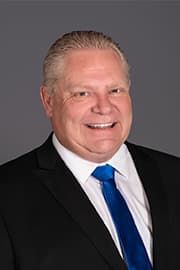
Doug Ford
A Globe and Mail investigation found ten sources describing Doug Ford as a mid-level hashish dealer in the 1980s; as Premier he later appointed his personal friend Ron Taverner as OPP Commissioner, while his son-in-law faces 12 Toronto Police misconduct charges.
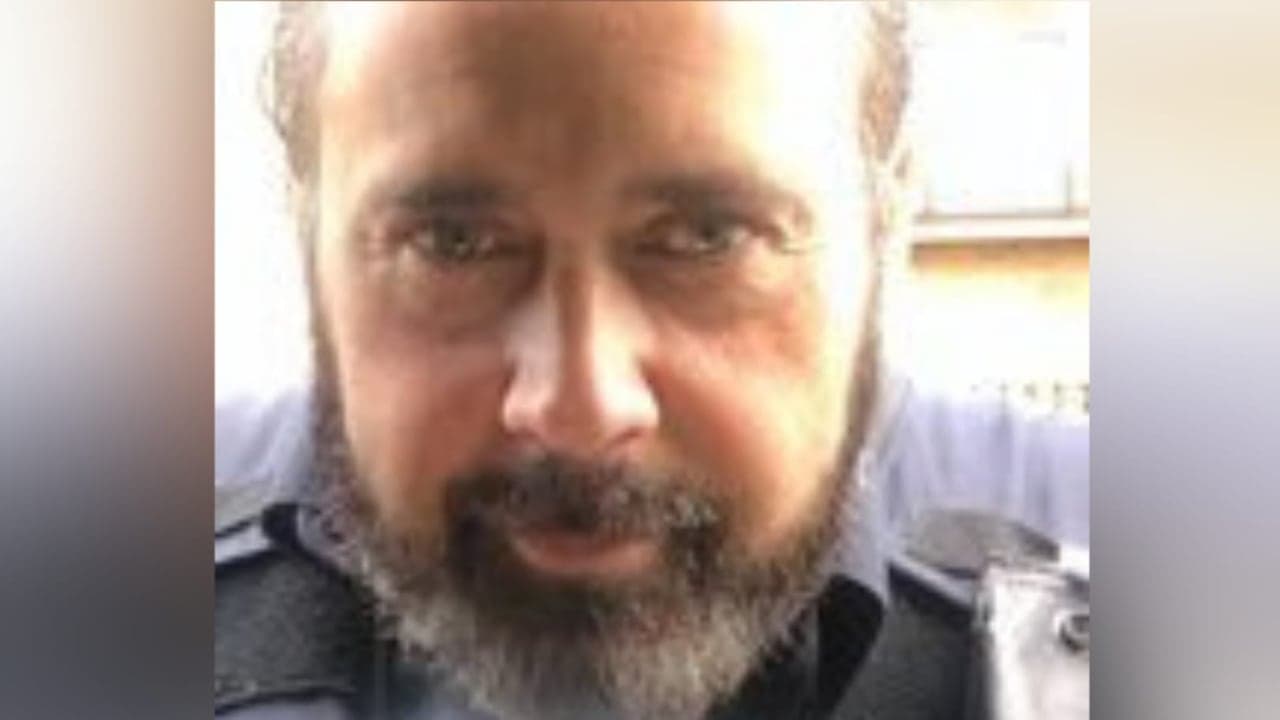
Timothy Barnhardt
Faces 17 charges including conspiracy to commit murder, accepting a bribe, breach of trust, and trafficking police intelligence to organized crime. Investigators allege he released confidential police database information to Brian Da Costa — the central organized crime figure in the case — to facilitate targeted shootings. He faces the most charges of any officer in the Project South investigation.
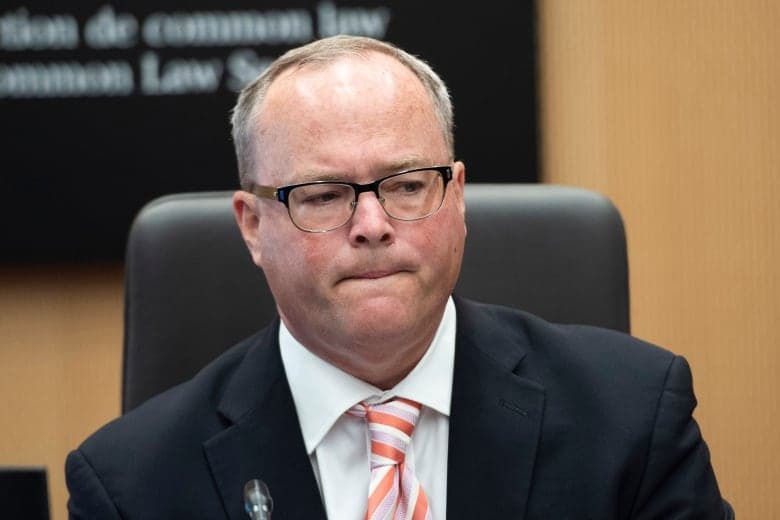
William Hourigan
Appointed by Ontario's Inspector General to lead independent inspection of all 45 Ontario police forces in response to Project South; examining anti-corruption practices province-wide.
Why It Matters
Doug Ford became Premier of Ontario in 2018, five years after the Globe and Mail published its drug-dealing investigation — and without having meaningfully answered its specific allegations. Unlike most political corruption stories about policy decisions or government contracts, the underlying allegation here goes to who Doug Ford was before public life, and whether that history has shaped his reflexive defensiveness toward police accountability. Ontario's voters elected him Premier in 2018 and re-elected him in 2022 and 2024 without the allegations being publicly re-litigated or answered in detail. The reporting stands, unretracted, from one of Canada's most established newspapers.
The most substantiated scandal directly involving Ford as Premier remains the OPP Taverner appointment — documented separately — where Ford nominated a personal friend to command the provincial police force, quietly changed the job requirements to allow his application, and fired the deputy who raised alarms. In that case, Ford accused police brass of conducting "political payback" against his brother. The instinct was to protect the institution from accountability when it suited him — and to attack it when it didn't.
Project South is categorically more serious. Seven officers didn't bend a rule — they allegedly sold the identities of confidential informants and live surveillance data to people who used it to commit shootings. Informant exposure is among the most dangerous forms of police breach: those individuals trusted the justice system with their safety. The question of how seven officers were able to export sensitive operational data without detection for long enough to enable seven shootings is a systemic question — one that belongs to the government responsible for policing standards in Ontario. "A few bad apples" is not just inadequate. It is the wrong analytical frame for what Project South describes: seven officers, one retired officer, twenty-seven interconnected individuals, and a network that apparently operated long enough to facilitate multiple acts of violence.
The thread connecting all of this is not proof of any single criminal act — it is a pattern of proximity and reflexive deflection. Ford's personal history, his family's entanglement with Toronto's drug trade and organised crime-adjacent figures, his own political appointments to police leadership, his son-in-law's active misconduct proceedings, and his government's non-response to the largest TPS corruption scandal in a generation all exist in the same story. Each element has its own evidentiary weight. Taken together they describe a Premier whose relationship with police accountability has been consistently shaped by personal interest rather than public obligation.
Legal Actions
On February 5, 2026, York Regional Police announced charges against seven serving Toronto Police Service officers and one retired TPS member following the Project South investigation, launched in June 2025. Allegations: the officers unlawfully accessed confidential police databases — including informant identities, surveillance logs, real-time GPS tracking data, and arrest intelligence — and sold that information to organized crime figures in exchange for bribes. The leaked intelligence was used to carry out at least seven shootings, extortion, commercial robberies, and drug trafficking operations. Twenty-seven individuals in total face charges across the interconnected criminal network. Officers appeared in Ontario court on March 4, 2026. Criminal proceedings are ongoing. Ontario ordered a province-wide policing investigation in response to the scale of the breach.
In response to Project South, Ontario ordered a province-wide investigation into police corruption and database access vulnerabilities across Ontario's police forces. The investigation was prompted by investigators and law enforcement — not initiated by the Ford government. Premier Doug Ford announced no public inquiry, no legislative review of police data security protocols, no whistleblower protection enhancements, and no accountability framework in response to the charges. His government's position, as stated publicly, was that the matter was one for the courts and for "a few bad apples" to answer for. Critics, legal experts, and opposition parties called the response wholly inadequate for the systemic nature of what Project South revealed.
Reporters Greg McArthur and Shannon Kari published a major investigation on May 25, 2013, based on 18 months of reporting. Ten sources — including two former hashish suppliers, three street-level dealers, and casual users — described Doug Ford as a mid-level hashish dealer in Etobicoke for approximately seven years, ending around 1986. The location cited most frequently was James Gardens park in central Etobicoke. Sources described Ford as selling not only to users but to dealers above street level, supplying a distribution network. The Globe put the allegations to Ford in writing before publication; his lawyer called them false. Doug Ford publicly called them "a lie, an outright lie." The Globe's editor-in-chief published a separate letter explaining why the paper chose to publish. No criminal charges have ever been laid against Doug Ford in connection with these allegations. The story remains unretracted by the Globe and Mail.
Toronto Police's Project Traveller was a guns-and-drugs investigation targeting the Dixon City Bloods gang in Etobicoke. Wiretaps from Project Traveller captured approximately 50 conversations about Rob Ford on the day the crack cocaine video story broke publicly in May 2013; the gang was alleged to possess the video. Sandro Lisi — Rob Ford's friend and occasional driver — was charged in October 2013 with extortion for allegedly attempting to recover the crack video. Doug Ford publicly stated he had "never seen, never met" Lisi — yet Lisi had worked on Rob Ford's 2010 mayoral campaign, which Doug co-managed. Project Brazen 2, a Toronto Police surveillance operation targeting Rob Ford, prompted Doug Ford to accuse police of conducting "political payback" when investigators attempted to serve Rob Ford a legal subpoena. The extortion charge against Lisi was withdrawn May 8, 2015, the same day the crack video was publicly released. Approximately 60 individuals were arrested in Project Traveller.
Ernest "Dave" Haynes, a Toronto Police Service officer and husband of Krista Ford Haynes (Premier Doug Ford's daughter), faces 12 counts under the Police Services Act: discreditable conduct, breach of confidence, and insubordination. Allegations include forwarding confidential internal police emails to outside parties including Krista Ford Haynes, posting about police operations and internal matters on social media, and sending a December 2023 mass email to hundreds of TPS colleagues at Divisions 22 and 31 criticising department leadership and morale. His lawyer characterised him as a whistleblower facing retaliation. In January 2025, Krista Ford Haynes launched a GoFundMe seeking $100,000 for his legal defence costs. Tribunal proceedings were ongoing in early 2026. Doug Ford, as Premier and the officer's father-in-law, has offered no public comment on the charges.
Ontario's Inspector General of Policing appointed former judge William Hourigan to lead an independent inspection of all 45 Ontario police forces following Project South. The inspection is examining anti-corruption frameworks, data security, and integrity safeguards across every police service in the province.
As of May 12, 2026, the Public Prosecution Service of Canada confirmed that approximately 30 ongoing federal criminal cases are under review following revelations that Toronto police officers charged in Project South had involvement in those investigations. The majority of affected cases are drug cases. This review could result in stayed charges or new trials if the integrity of the police evidence is compromised.
Rippling Effects
The Globe and Mail's 2013 drug-dealing investigation set a precedent that has never been resolved: serious allegations about Doug Ford's personal conduct were published, denied, never disproven, and never the subject of criminal proceedings. No correction or retraction has been issued. The story is a matter of public record.
Project South's implications are ongoing. Seven officers inside TPS were allegedly selling live operational intelligence to organised crime. Those officers had access to confidential informant files, surveillance operations, arrest records, and real-time location data. The criminal cases will proceed through Ontario courts for years. The victims of the seven shootings allegedly enabled by leaked police data have no guarantee of justice until the full scope of the corruption is mapped. The province-wide policing audit — prompted by Project South — represents an acknowledgment that what happened inside TPS may not be isolated. That investigation was not initiated by the Ford government. It was driven by investigators responding to the evidence.
Dave Haynes' misconduct proceedings, still active as of early 2026, sit in an unusual political position: the Premier's son-in-law is before a police disciplinary tribunal for leaking confidential material while the Premier's government is simultaneously responsible for policing governance in Ontario. Ford has not addressed this publicly. The tribunal proceedings will eventually conclude. The silence from the Premier's office will remain on the record regardless of outcome.
Ford's "few bad apples" response defines the ceiling of accountability his government is willing to enforce. For the officers and community members who depend on the integrity of Ontario's police intelligence systems — and for informants whose safety depends on those systems being airtight — that ceiling matters.