Ron Taverner OPP Appointment
November 20, 2018
TL;DR
Within months of taking office, Doug Ford tried to install his personal friend and longtime family confidant as Ontario's top cop — quietly lowering the job qualifications to fit him, corrupting the hiring process through his own chief of staff, and spending $40,000 on an executive search that was effectively rigged from the start.
The Web
3 connections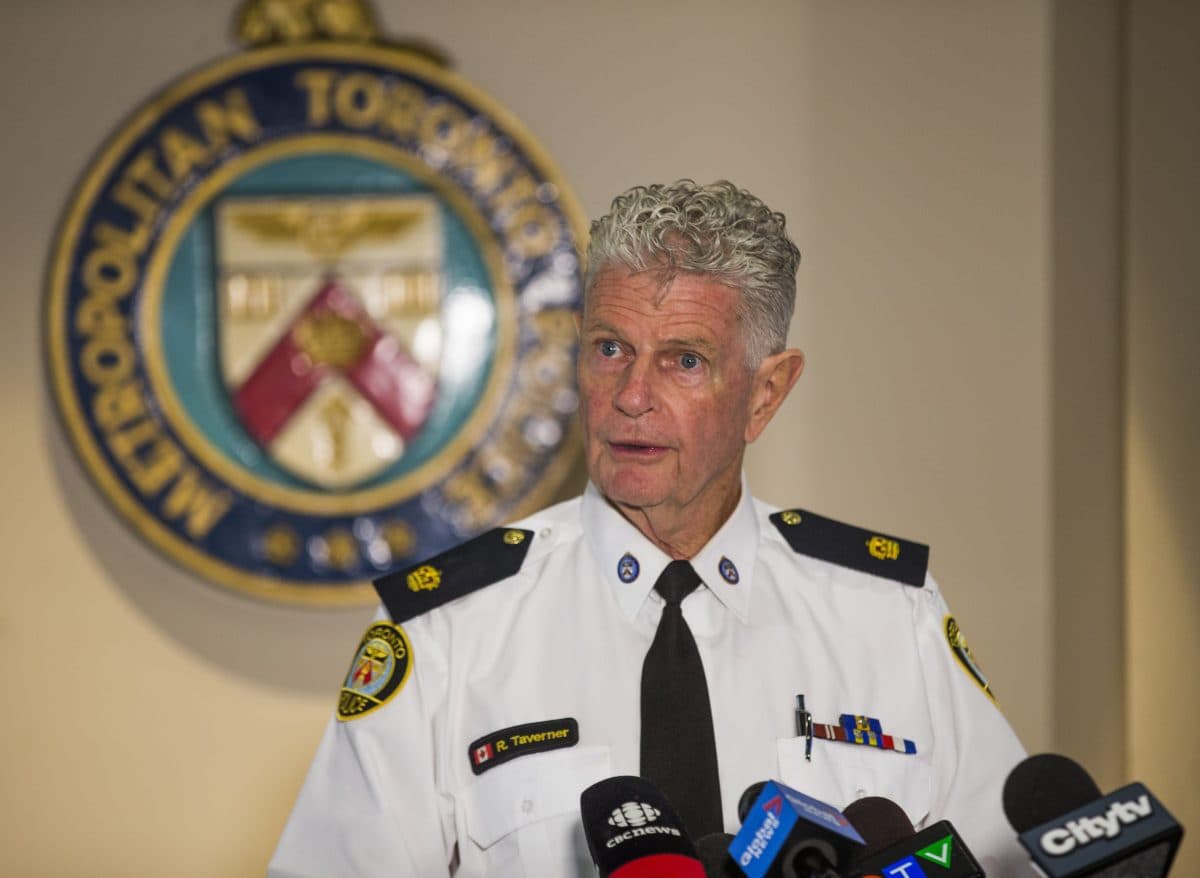
Ron Taverner
Named as OPP Commissioner despite not meeting the original posted qualifications — qualifications Ford's government had quietly lowered weeks before he applied. The Integrity Commissioner found the hiring process "flawed." Taverner withdrew in March 2019 citing "the controversy."
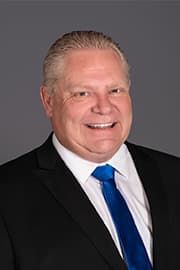
Doug Ford
As Premier, Ford tried to install his personal friend Ron Taverner as OPP Commissioner within months of taking office, with hiring qualifications quietly lowered to fit him.
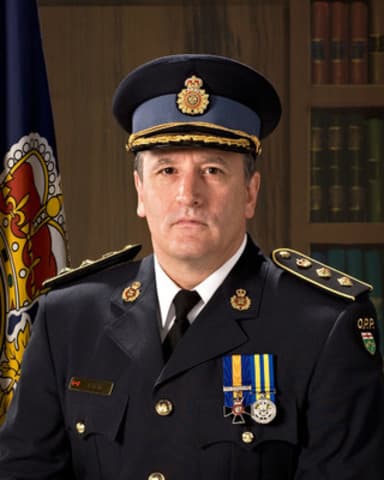
Brad Blair
Served as Interim OPP Commissioner and applied for the permanent role. After being passed over for Taverner, Blair challenged the appointment in court, triggering the Integrity Commissioner's investigation. Ford's government fired him for releasing confidential OPP information in his Ombudsman letter — a firing Blair called politically motivated.
Why It Matters
The Ontario Provincial Police is not just any police force. The OPP investigates organized crime, public corruption, and provincial government misconduct. The commissioner has enormous discretionary power over what gets investigated and how. The idea that a premier would attempt to install his personal friend in that role — someone who had been his family's Etobicoke police contact for decades — is not a minor breach of etiquette. It is a fundamental threat to the independence of law enforcement oversight.
Taverner had served as superintendent of Division 23 in Etobicoke, the Ford family's political home base, for much of his career. He publicly eulogized Rob Ford. His relationship with the Fords was not casual — it was deep and long-standing. Ford met with Taverner at least three times after taking office, while there is no evidence he met even once with any other candidate for the role.
The job posting itself was manipulated. The original OPP commissioner posting required candidates to hold the rank of deputy chief or assistant commissioner at minimum. Taverner had never risen above superintendent — two full ranks below that threshold. The government lowered those requirements two days after the original posting, saying it wanted to "attract a wider field." The only person who materially benefited from that change was Taverner.
The corruption of the process went deeper. Ford's chief of staff, Dean French, supplied Taverner's name to cabinet secretary Steve Orsini, who sat on the two-person hiring panel. Text messages between French and Orsini showed what the Integrity Commissioner called "a tacit acknowledgment that Mr. French was rooting for Mr. Taverner's success" — meaning anyone reading those messages would have "serious doubts as to the fairness of the process." Taverner also dined with an interview panelist and with Ford himself before the selection was finalized. Ontario paid $40,000 for an executive search firm that somehow produced a process leading to Taverner's selection.
All of this unfolded in the first months of Ford's government — before any of the other scandals. It established, at the outset, exactly what kind of premier Ontario had elected: one who treated the machinery of government as personal property to be deployed for friends and allies.
Legal Actions
Following an NDP request, the Integrity Commissioner launched a formal probe into whether Ford had breached conflict of interest rules in Taverner's appointment. The final report, released in May 2019, found Ford had not personally broken any rules — he had maintained formal distance from the hiring panel. However, the Commissioner found the process was "flawed" with "troubling aspects", specifically that chief of staff Dean French had fed Taverner's name to the cabinet secretary on the hiring panel, and that text messages between French and that official showed French was "rooting for Taverner's success."
In a highly unusual move, sitting OPP Deputy Commissioner Brad Blair went to court in January 2019 to compel an Ombudsman investigation into the appointment process. Blair argued the process had been corrupted and that installing Taverner posed a direct threat to the independence of provincial policing. The legal challenge drew national attention and put significant pressure on both Taverner and the Ford government. Blair was ultimately passed over for the permanent commissioner role when Ford made a new appointment after Taverner withdrew — a move widely seen as retaliation.
Rippling Effects
The immediate damage was to the OPP itself. The sitting deputy commissioner, Brad Blair, was so alarmed by the appointment that he went to court seeking an Ombudsman review — a highly unusual step for a serving police officer. Blair argued the appointment process had been corrupted and that it undermined the independence of the province's top police force. His intervention was one of the most significant signs of how seriously the law enforcement community viewed the threat.
Taverner ultimately withdrew in March 2019, stating he wanted to protect "the integrity of rank-and-file OPP officers" — an acknowledgment that his presence at the top of the force had become untenable. Ford appointed a new commissioner days later. The Integrity Commissioner's final report found Ford had not personally breached conflict of interest rules — he had been careful enough to stay formally at arm's length — but found the process was "flawed" with "troubling aspects," particularly French's intervention.
Dean French, the chief of staff who had engineered Taverner's candidacy, resigned in June 2019 — not over Taverner directly, but after a separate patronage scandal involving the appointment of two former Ford staffers to lucrative agent-general roles in New York and London. The pattern was clear: French had been running a parallel operation inside the Ford government, using appointments and hiring to reward the premier's personal and political network.
The Taverner affair set a template that would repeat throughout the Ford years: use the formal machinery of government — job postings, hiring panels, executive searches — as window dressing for decisions already made. The Greenbelt, the Ontario Place redevelopment, and the MZO approvals all bore the same fingerprints.