Conestoga College Executive Mismanagement — Lavish Spending, Illegal Severance, and a Provincial Takeover
May 7, 2026
TL;DR
Conestoga College's board approved a 55% salary hike for its president — pushing his pay to $636,000 — then handed him a $3 million exit package that was more than twice the legal limit. A provincial audit found a pattern of lavish spending including a $23,000 Italy trip for executives; on May 7, 2026, Ontario fired the entire board and appointed an administrator — the first time this has ever happened to an Ontario college.
The Web
7 connections
Norma McDonald-Ewing
As interim president, McDonald-Ewing told staff by email on August 31, 2026 — one week before fall classes started — that 32 more full-time faculty positions had been eliminated, calling the cuts "difficult" but "necessary."
Leopold Koff
As president of OPSEU Local 237, Koff responded to the August 31, 2026 elimination of 32 full-time faculty positions: "They're focused only on one option — which is reduction of operating costs."
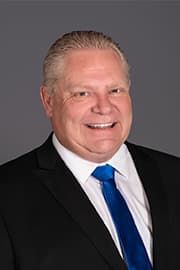
Doug Ford
As Premier of Ontario, Ford holds ultimate accountability for the province's college oversight; a provincial audit found lavish executive spending at Conestoga College, and his government fired the entire board in May 2026 — the first time this has happened to an Ontario college.
Martha George
As chair of Conestoga's board of governors, George presided over the approval of John Tibbits' 55% salary increase and the illegal $3 million severance package. She was dismissed along with the entire board on May 7, 2026, after a provincial audit found the board's decisions "lacked appropriate oversight."
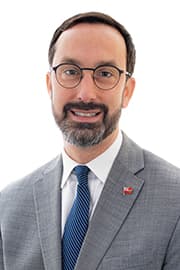
Nolan Quinn
As minister, Quinn ordered the dismissal of Conestoga's board and appointed the administrator, expanding ministerial control over college governance. The intervention — while responding to genuine mismanagement — also gives the province unprecedented direct operational authority over a college that had become financially vulnerable partly due to the government's own post-secondary policy failures.
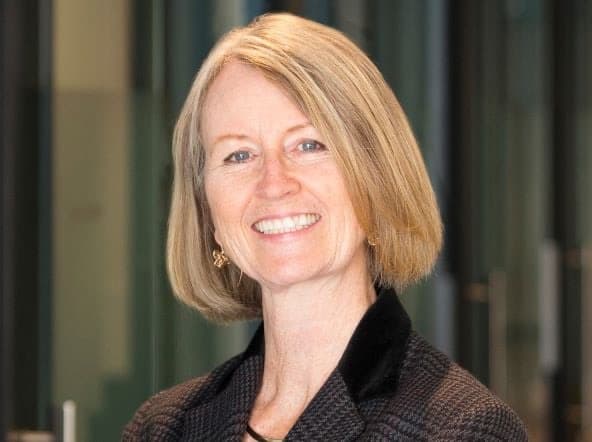
Linda Franklin
Appointed by Minister Nolan Quinn on May 7, 2026, as administrator of Conestoga College following the board's dismissal — the first such appointment in Ontario college history. Franklin holds all powers of the board, is paid $1,600/day from public funds, and is tasked with restoring governance and fiscal management.
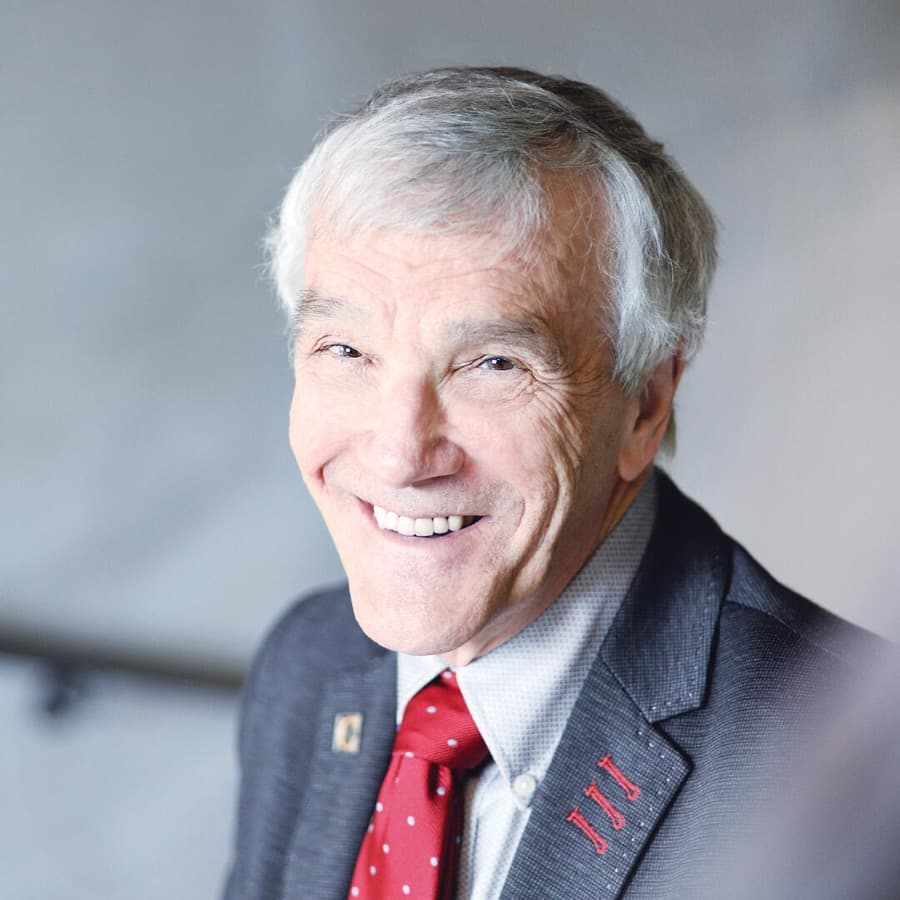
John Tibbits
As Conestoga College's president for over two decades, Tibbits oversaw a culture of executive enrichment while the college shed hundreds of employees. The board approved a 55% salary increase to $636,107 in 2024 on his behalf; his $3 million severance package violated the Broader Public Sector Executive Compensation Act. A provincial audit found his leadership produced "egregious financial decisions" including lavish travel and ineligible hospitality spending.
Why It Matters
Public colleges are publicly funded institutions governed by boards that are legally and ethically responsible for stewarding that public trust. The Conestoga board's job was to ensure the institution's resources were managed prudently and lawfully — especially during a period of severe financial strain. Instead, the board approved a 55% salary hike for the president while the college was shedding hundreds of workers, and then handed him a $3 million exit package that violated the law it was legally obligated to follow.
The salary timeline is damning on its own terms. Tibbits' pay rose from approximately $410,000 in 2022 to $636,107 in 2024 — a period during which the college was facing a foreseeable enrollment crisis driven by federal policy shifts. The board that approved this increase was the same board that presided over 500+ layoffs and the elimination of 80 programs. The people who lost their jobs — 181 faculty, 197 support staff, and more — subsidised an executive compensation structure that the board had no legal authority to award at the level it chose.
The $3 million severance was not a judgment call or a borderline case. The Broader Public Sector Executive Compensation Act sets a clear 24-month cap. At Tibbits' salary, the maximum lawful payment was approximately $1.2 million. The board approved roughly $1.8 million above the legal limit. That is not a governance lapse — it is the board approving an illegal transfer of public funds to an executive. The audit's finding that these decisions "lacked appropriate oversight" understates what occurred: the board knowingly or negligently authorised a payment that violated provincial law.
The audit's other findings — the $23,000 Italy trip, the alcohol-heavy staff dinners — are not peripheral details. They reveal a culture in which the board had normalised inappropriate spending and failed entirely in its oversight role. Governance failure at this scale does not happen overnight; it accumulates through repeated small failures to hold leadership accountable.
The provincial dismissal of the entire board is without precedent in Ontario college history. That signal matters. When a government has to fire a board because it cannot be trusted to govern lawfully, something has gone fundamentally wrong — and the workers who lost their jobs, the students who lost their programs, and the public whose money funded all of it deserve an accounting that goes beyond appointing an administrator and moving on.
Legal Actions
In April 2024, Sault College and its president David Orazietti filed a $200,000 defamation lawsuit against Conestoga College and president John Tibbits, alleging that Tibbits made defamatory comments about Orazietti in February 2024 — including allegedly calling him "a whore." The suit seeks $150,000 for defamation and $50,000 in punitive damages for conduct described as "malicious, high-handed, spiteful, and harassing." Tibbits defended the comments as "true and fair." The lawsuit was still active at the time of the provincial takeover announcement in May 2026. Global News reporting on the lawsuit.
Following an audit launched in June 2025, the Ontario government exercised its powers under the Ontario Colleges of Applied Arts and Technology Act to dismiss the entire Conestoga College board of governors on May 7, 2026 — the first such action against a college board in Ontario history. Minister Nolan Quinn appointed Linda Franklin as administrator with the powers of the board. The audit found the board had approved executive compensation that violated the Broader Public Sector Executive Compensation Act, specifically a severance payment of approximately $3 million — more than twice the 24-month legal cap. Whether regulatory recovery action will be taken against individual board members for the illegal severance has not been announced. Ontario government announcement.
Rippling Effects
The real cost of the Conestoga scandal falls on the people who had no part in the decisions that caused it. More than 500 employees — including 181 faculty and 197 support staff — lost their jobs during a period when their president's salary was rising 55% and the board was planning a $3 million exit package for him. Students enrolled in 80 eliminated programs lost the educational pathways they had enrolled to pursue. The president left with $3 million; the workers left with layoff notices.
International students who enrolled at Conestoga on the basis of its program offerings face particular disruption. Many came to Canada under the expectation of completing specific credentials; program cuts mid-enrollment can affect their immigration status, their financial planning, and their career trajectories. The collapse of Ontario's international student enrollment — a sector-wide crisis driven by federal policy — hit hardest at the institutions that had grown most dependent on that enrollment, and Conestoga was among them. The governance failures at the top of the institution made its capacity to manage that transition worse, not better.
The Sault College defamation lawsuit against Tibbits and Conestoga College remains unresolved. The reputational damage extends beyond one institution: Ontario's college sector is navigating its worst financial period in decades, and the Conestoga scandal — with its illegal severance, its Italy trip, its alcohol expenses, its board firing — reinforces public skepticism about how post-secondary institutions manage public money. That skepticism has policy consequences at exactly the moment when the sector most needs public and political support.
Linda Franklin's mandate as administrator includes developing a new governance framework for Conestoga. The open question is accountability: whether the board members who approved an illegal $3 million severance will face any personal or regulatory consequences, or whether the intervention ends with new governance structures in place and no individual reckoning. This scandal does not occur in isolation — it sits inside a broader pattern of post-secondary defunding and mismanagement in Ontario documented elsewhere, including the OSAP cuts: /scandals/osap-cuts-postsecondary-defunding.