Ring of Fire Fast-Track — Ontario Bypasses Environmental Assessment and Indigenous Consent for Mining Rush
February 17, 2026
TL;DR
The Ford government is fast-tracking Ring of Fire mining and road construction through its Bill 5 "One Project, One Process" system, overriding the objections of Grassy Narrows First Nation — a community still living with mercury poisoning — bypassing a federally required environmental assessment, and pushing toward a June 2026 construction start that Neskantaga and Attawapiskat First Nations are physically blockading.
The Web
8 connections
Prabmeet Sarkaria
Attended the August 24, 2026 groundbreaking with Aroland First Nation on the Anaconda and Painter Lake road upgrades, and the June 25, 2026 Webequie Supply Road groundbreaking. Both roads are scheduled to open by November 2030.
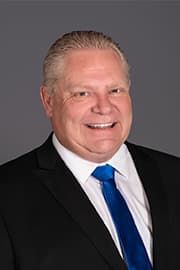
Doug Ford
As Premier, Ford championed the fast-tracking of Ring of Fire mining and road construction through Bill 5's One Project One Process system, dismissing Indigenous concerns with his "hat in hand" comments to First Nations chiefs at Queen's Park. He apologized after public backlash but refused to repeal Bill 5.

Gary Quisess
As Chief of Neskantaga First Nation, Quisess is co-leading the physical blockade of Ring of Fire road construction and has publicly stated that his community's homelands are being developed without consent or meaningful consultation.

Sol Mamakwa
As the legislature's only First Nations MPP, Mamakwa called Ford's "hat in hand" comments racist and has been the primary opposition voice on how Bill 5's Ring of Fire fast-track violates Indigenous rights and the duty to consult.
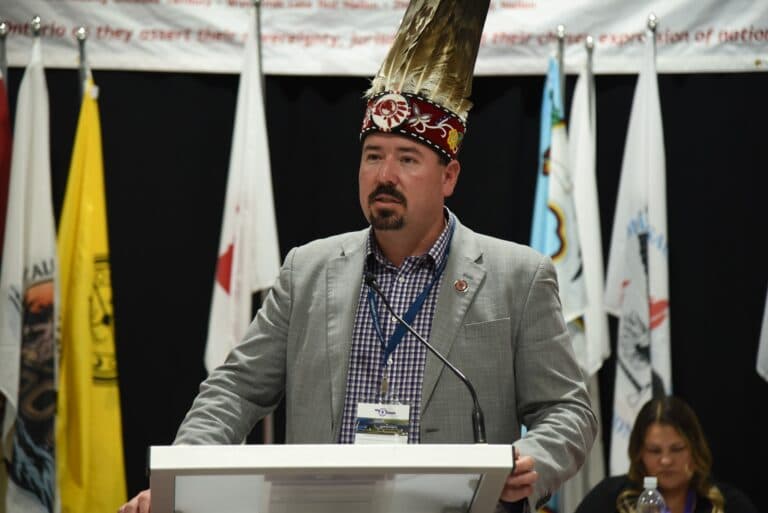
Abram Benedict
As Ontario Regional Chief, Benedict was present at the Queen's Park meeting where Ford made his "hat in hand" comments, called them "dangerous," and has represented First Nations interests in advocating against Bill 5's mining fast-track provisions.
Lorraine Whitehead
As Chief of Webequie First Nation, Whitehead joined Ford at the June 2026 groundbreaking for the Webequie Supply Road, with her community acting as the project proponent for the Ring of Fire access road.
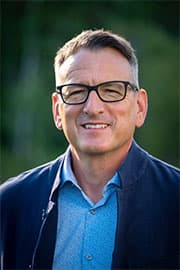
Greg Rickford
As Minister of Indigenous Affairs, Rickford attended the June 2026 Webequie Supply Road groundbreaking, representing the government driving Ring of Fire development amid opposition from other First Nations.
Joseph Sonny Gagnon
Gagnon holds two positions that must be stated together and not collapsed. He signed on to the Anaconda and Painter Lake road upgrades, breaking ground with Ontario on the project announced August 24, 2026 (work commenced June 30, 2026). Separately, Aroland is one of the nine First Nations that sued over Bill 5 / Bill C-5, and Gagnon has said Aroland never consented to mining the Ring of Fire. Nothing in the coverage indicates he opposes this specific road.
Why It Matters
The One Project One Process designation lets the province bypass normal environmental assessment timelines. Combined with Bill 5's repeal of the Endangered Species Act and the termination of Eagle's Nest mine's environmental assessment, the Ring of Fire development is proceeding with less environmental scrutiny than any comparable northern project in Ontario history. The One Project, One Process system, introduced under Bill 5, gives the provincial cabinet authority to designate projects and dictate timelines — removing the independent assessment buffers that exist precisely to catch harms before construction begins. National Observer reported on Ontario fast-tracking the Kinross Gold Great Bear mine designation despite a pending federal review.
Grassy Narrows First Nation — the downstream community at greatest risk — is still living with the legacy of corporate mercury contamination from the 1960s. Their community has documented neurological damage across generations. Ontario courts upheld their challenge to a Kinross water-taking permit at the Ontario Land Tribunal. A constitutional challenge to the Mining Act is pending. This is not an abstract environmental concern — it is a community whose health has been destroyed by a previous industrial project that also bypassed proper oversight. The Narwhal documented Grassy Narrows' ongoing legal challenges and the community's specific grounds for opposing the Great Bear mine fast-track.
Ford's "hat in hand" comments — made to First Nations chiefs gathered at Queen's Park to discuss Bill 5 mining provisions — showed contempt for Indigenous consultation rights. He told chiefs they "can't keep coming hat in hand all the time to the government, you've got to be able to take care of yourselves." Ontario Regional Chief Abram Benedict called the statement "dangerous." NDP deputy leader Sol Mamakwa, the legislature's only First Nations MPP, called it racist. Ford was compelled to apologize the next day. Amnesty International said the apology rang "hollow without repeal of Bill 5." Sources: CBC News and APTN News.
The federal interim assessment's finding that some Nations could not fully participate due to resource inequities is legally significant. The constitutional duty to consult requires meaningful consultation — not nominal notification. If construction begins in June 2026 before that standard is met, both federal and provincial legal challenges under UNDRIP and the duty to consult will follow. The repeal of the Endangered Species Act removed provincial habitat protections that would have applied to species in the Ring of Fire region. National Observer reported on Ford speeding up Ring of Fire roads as some First Nations warned of confrontation.
Legal Actions
Grassy Narrows First Nation has filed a constitutional challenge to Ontario's Mining Act, and separately won a challenge at the Ontario Land Tribunal against Kinross Gold's water-taking permit for the Great Bear mine. The community's case is grounded in the duty to consult, treaty rights, and the ongoing health impacts of 1960s mercury contamination from a paper mill whose effects persist across multiple generations.
On July 23, 2026, Friends of the Attawapiskat River, a Treaty 9 grassroots group, filed an application for judicial review in Federal Court. The decision under review is a federal approval: federal Environment Minister Julie Dabrusin's June 25, 2026 approval of the 107-km Webequie Supply Road to McFaulds Lake. The named respondents are the Attorney General of Canada, the federal Environment Minister, and Webequie First Nation — the Province of Ontario is not a respondent.
The Ontario relevance is that the Webequie Supply Road is the Ford government's flagship access route into the Ring of Fire.
The application is brought on grounds of UNDRIP and Indigenous rights, climate, biodiversity, and cumulative effects; the applicants call the decision "inherently unreasonable and fundamentally flawed." Counsel Kate Kempton, senior counsel at Woodward & Company LLP, alleges "project splitting" across three road segments. Source: The Energy Mix.
Government Activity on This File
via PoliMon · updated hourly…Affairs and First Nations Economic Reconciliation and Minister Responsible for Ring of Fire Economic and Community Partnerships and Prabmeet Sarkaria, Minister of Transpor…
Rippling Effects
The Ring of Fire sits atop the Hudson Bay Lowlands, one of the largest carbon-storing peatland systems in North America. Road construction through peat drains and oxidizes the carbon, releasing greenhouse gases at scale. The Eagle's Nest environmental assessment that would have studied this was terminated by Bill 5. Over 40,000 mining claims have been staked in the area — a 60% jump since 2022. The Globe and Mail reported on how Indigenous groups in both northern and southern Ontario are protesting the new laws governing this development.
The physical encampment by Neskantaga and Attawapiskat members represents an escalation beyond legal challenges. Communities are using their bodies and their territory to assert rights the courts are too slow to protect. Construction in June 2026, if it proceeds over the blockade, will trigger a confrontation that echoes major Indigenous rights flashpoints in Canadian history. Chief Gary Quisess of Neskantaga: "our homelands are being advertised for development and we are not involved." Global News reported that Ring of Fire roads are projected to be complete by 2031, ahead of schedule.
Ford's approach sets a precedent for the Special Economic Zone system under Bill 5: fast-track a region, designate it an SEZ, suspend environmental and planning laws for handpicked proponents. The Ring of Fire is the proof-of-concept for this governance architecture. If it proceeds without legal interruption, every subsequent SEZ designation will cite it as the template. The combination of SEZs, the ESA repeal (Endangered Species Plans Buried), and bypassed Indigenous consent creates conditions for large-scale environmental harm with no accountability mechanism.