Judicial Independence Attacks — Ford Calls Courts "a Joke," Demands Elected Judges
February 1, 2026
TL;DR
Premier Doug Ford made repeated public attacks on the independence of Ontario's judiciary in early 2026 — calling judicial independence "a joke," suggesting US-style elected judges, calling sitting judges "bleeding hearts," and proposing to livestream bail hearings in potential violation of publication bans. Ontario's three chief justices issued a rare joint statement reaffirming judicial independence as a constitutional cornerstone; the Ontario Bar Association warned Ford's proposed changes would politicize the bench.
The Web
2 connections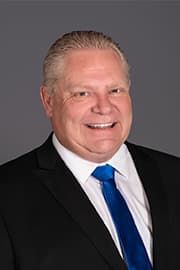
Doug Ford
As Premier, Ford made repeated public attacks on the independence of Ontario's judiciary, calling judicial independence "a joke," suggesting US-style elected judges, calling sitting judges "bleeding hearts," and proposing to livestream bail hearings in potential violation of publication bans protecting victims and witnesses.
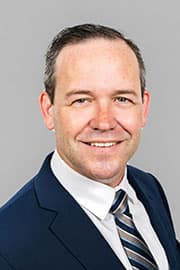
Doug Downey
As Attorney General, Downey was responsible for defending the government's position on judicial independence. He defended Ford's attacks on judges as legitimate policy commentary while attempting to distance Ontario from US-style elections.
Why It Matters
Judicial independence is a structural pillar of constitutional democracy — it ensures courts can review government action without fear of political retaliation. Ford's "elected judges" suggestion is functionally a proposal to make the judiciary subject to partisan funding pressures, as documented extensively in US state courts. The Globe and Mail's editorial board called on all political leaders to stop attacking judges, noting that Ford's rhetoric crosses a line from policy criticism into institutional destabilization.
The "bleeding heart" rhetoric targets the bail system specifically — bail decisions are made under the Criminal Code, a federal statute. Ford calling for province-level interference in federally governed criminal proceedings is constitutionally confused at best and an attempt to inflame public anger against the judiciary at worst. His livestreaming proposal — legal experts warn — could breach publication bans protecting victims of sexual violence, child witnesses, ongoing investigations, and accused persons with no convictions. The Globe and Mail reported on the livestreaming proposal and CBC documented Ford's "bleeding-heart judges" attacks in detail.
These attacks escalated simultaneously with active legal challenges to Ford's own legislation. The three chief justices' joint statement is historically exceptional — it signals the courts have moved from institutional silence to institutional self-defence. Ford has created two constitutional challenges to Bill 5 and a FIPPA overhaul challenge that are working their way through the courts he is now publicly attacking. Ford has directly targeted individual judges before — demanding an apology and seeking a court injunction against a pro-Palestinian rally (Al-Quds injunction). Law Times reported on the chief justices' statement in detail.
OBA's concern about judicial appointments is concrete: Ford's government already politicized the OPP Commissioner appointment (Taverner appointment). A politicized judicial appointments process would affect the courts for decades — provincial judges serve until age 65. Ford's pattern of attacking oversight bodies mirrors the approach documented in far-right connections. The Globe and Mail reported the Ontario Bar Association's warning that Ford's judicial appointment proposal could politicize the bench.
Legal Actions
On June 16, 2026, Waterloo Regional Council voted 10-5 to appeal Justice Michael R. Gibson's May 2026 ruling (2026 ONSC 2971) to the Ontario Court of Appeal, with the province joining the appeal.
Rippling Effects
Three chief justices issuing a joint statement is historically exceptional. The statement is a public record that a sitting premier was seen as threatening judicial independence. If Ford's government appeals adverse rulings on Bill 5, FIPPA, or other legislation, the optics of judges ruling against a premier who publicly called them "bleeding hearts" and suggested firing them will colour every ruling.
OBA's warning about politicization is concrete — Ford has already demonstrated he will appoint loyalists to independent oversight positions (OPP Commissioner). If the judicial appointments process is changed as Ford suggested, the effects will persist for 20-30 years — long after any government changes.
The combination of weakened FOI (FIPPA overhaul), appointed regional chairs (regional governance), special economic zones (Bill 5), and a politicized judiciary would leave no meaningful structural check on executive power in Ontario. Ford's attacks on the judiciary are not rhetorical outliers — they are part of a documented pattern of dismantling oversight institutions. Canadian Lawyer described Ford's approach as a "Trumpian obsession with judicial control."