Ontario Denied Dying Cancer Patient Out-of-Country Treatment — Court Quashed the Decision
September 22, 2026
TL;DR
Ontario refused to pay for Alex Shved, a Toronto father with stage 4 melanoma, to get a Health Canada-approved cell therapy in the U.S. On Sept 22, 2026, a three-judge Divisional Court panel quashed that refusal as unreasonable and ordered a new decision by Oct 2, noting he "will likely be dead by Christmas" without treatment.
The Web
2 connections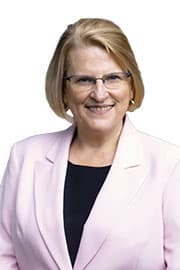
Sylvia Jones
As Health Minister, Jones is responsible for the policy at issue. Her spokesperson previously told the Toronto Star that provinces do not fund out-of-country treatment for drugs that have not completed Canada's drug-funding process. Her office did not comment on the Divisional Court's September 22, 2026 ruling (Star, Globe). Alex Shved told The Globe and Mail he spoke with Jones directly and "she has done nothing" — his claim.

Alex Shved
Ontario denied Shved out-of-country funding for tumour-infiltrating lymphocyte (TIL) therapy, a Health Canada-approved treatment for his stage 4 melanoma. He sought judicial review and represented himself at the September 8, 2026 hearing. On September 22, 2026, the Divisional Court quashed the denial as unreasonable and ordered a new decision by October 2, finding the record showed he "will likely be dead by Christmas if he does not receive the requested treatment within a few weeks" (Star, Globe).
Why It Matters
Alex Shved is a 37-year-old Etobicoke father of two young daughters with metastatic (stage 4) melanoma. He wants tumour-infiltrating lymphocyte (TIL) therapy, sold as lifileucel (brand name Amtagvi). Health Canada approved it (in August 2025, according to the Globe and Mail), but provincial drug plans do not cover it yet. He applied to Ontario for out-of-country coverage and was refused. His appeal to the Health Services Appeal and Review Board was dismissed, the Toronto Star reported.
On Sept 22, 2026, a three-judge panel of the Divisional Court (Ontario Superior Court of Justice) set aside those decisions. It found the justifications unreasonable and inadequately explained. The court's reasons, quoted by both outlets, said: "The record discloses that he will likely be dead by Christmas if he does not receive the requested treatment within a few weeks." According to the Star, the panel also said the province "provided no evidence" that funding his treatment would undermine drug-price negotiations.
The province's position is on the record. The Globe reported that Ontario told Shved the out-of-country program "isn't intended to be used as an interim funding route" for drugs that could later get public coverage. Before the ruling, a spokesperson for Health Minister Sylvia Jones told the Star that provinces do not fund out-of-country treatment for drugs that have not finished Canada's drug-funding process. The Star notes that this process "can take more than two years." Jones's office did not comment on the ruling.
The outlets report the cost differently, and the two figures measure different things. The Star reports that a Florida hospital quoted $1.3 million in total. The Globe reports that one lifileucel treatment costs US$515,000, not counting the hospital stay.
Legal Actions
Court: Divisional Court (Ontario Superior Court of Justice). Applicant: Alex Shved, who represented himself. Respondent: Ontario / Ontario Public Drug Programs. No case name or citation has been published.
Shved filed for judicial review in June 2026, after Ontario denied his application for out-of-country coverage of TIL therapy (lifileucel) and the Health Services Appeal and Review Board dismissed his appeal, the Toronto Star reported. The hearing was on Sept 8, 2026.
On Sept 22, 2026, the panel set aside the decisions as unreasonable and inadequately explained, and sent the matter back to the executive officer of the Ontario Public Drug Programs. A new decision is due by Oct 2, 2026 (Star). The applicant won at this stage. Justices Jean-Marc Labrosse and Sharon Shore formed the majority. Justice David Corbett agreed that the decisions should be quashed, but he would have directed the executive officer to recommend the treatment (Globe and Mail).
Rippling Effects
The ruling sent the matter back, rather than directing an outcome, to the executive officer of the Ontario Public Drug Programs. A new decision is due by Oct 2, 2026, the Star reported. The court expedited the review.
The panel was not unanimous on what should happen next. According to the Globe, Justices Jean-Marc Labrosse and Sharon Shore formed the majority. Justice David Corbett agreed that the decisions should be quashed, but he would have directed the executive officer to recommend the treatment.
Shved says his case is not the only one. He told the Star that he knows of at least two Ontario patients with the same cancer who died after being denied out-of-country TIL access. He also told the Globe that he spoke directly with Minister Jones and that "she has done nothing." These are Shved's own claims. Jones's office did not comment on the ruling.
The case turns on a gap in timing. A treatment can be approved by Health Canada but not yet covered by provincial drug plans, and the province's position is that the out-of-country program should not fill that gap while the national funding process runs, a process the Star says "can take more than two years." In Shved's case, the court found the province's justifications for refusing him unreasonable and inadequately explained, and it gave Ontario until Oct 2 to decide again.