Lost in Transition: Adults With Developmental Disabilities Warehoused in Hospitals
November 25, 2025
TL;DR
Ontario's Ombudsman found adults with developmental disabilities are being held in hospital beds — sometimes for years — because the province never built the community housing and supports it promised, producing what his report calls "a modern form of institutionalization by default."
The Web
4 connections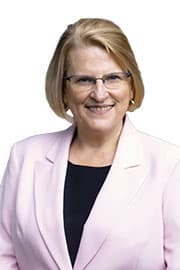
Sylvia Jones
Deputy Premier and Minister of Health — the Ministry of Health is the second of the two ministries the Ombudsman investigated in Lost in Transition, released November 25, 2025. No source reviewed attributes any personal decision on this file to her, and the ministries' formal responses to the report were not reviewed.
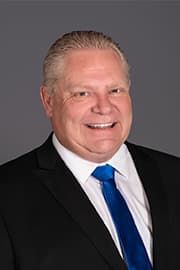
Doug Ford
Premier of Ontario. The Ombudsman's November 25, 2025 report Lost in Transition investigated two ministries of his government — Children, Community and Social Services, and Health — over the inappropriate hospitalization of adults with developmental disabilities. No source reviewed attributes any personal decision on this file to him.

Paul Dubé
Ombudsman of Ontario and author of Lost in Transition, released November 25, 2025, which investigated whether the Ministry of Children, Community and Social Services and the Ministry of Health are taking adequate steps to address the inappropriate hospitalization of adults with developmental disabilities. The report invokes Pierre Berton's 1960 exposé of the Huronia Regional Centre and frames the current situation as institutionalization by default. It follows his 2016 report Nowhere to Turn on the same social services ministry. Only the report's executive summary was reviewed, so its specific recommendations are not characterized here.
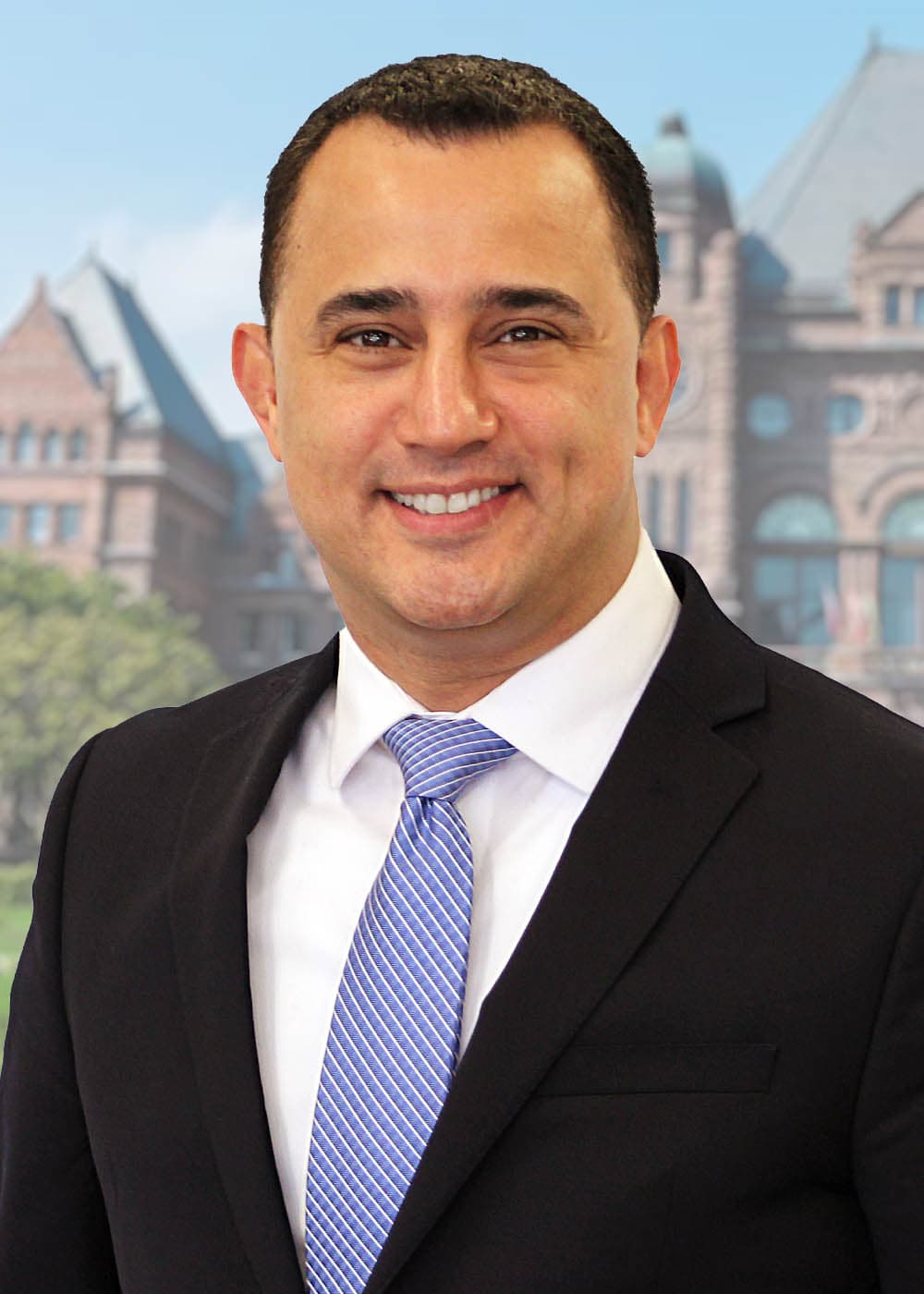
Michael Parsa
Minister of Children, Community and Social Services — one of the two ministries the Ombudsman investigated in Lost in Transition, released November 25, 2025. The investigation examined whether the ministry is taking adequate steps to address the inappropriate hospitalization of adults with developmental disabilities. No source reviewed attributes any personal decision on this file to him, and the ministries' formal responses to the report were not reviewed.
Why It Matters
On November 25, 2025, Ontario Ombudsman Paul Dubé released Lost in Transition, the product of an investigation into whether the Ministry of Children, Community and Social Services and the Ministry of Health are taking adequate steps to address the inappropriate hospitalization of adults with developmental disabilities (Ombudsman Ontario, "Lost in Transition"). The finding is not that hospitals are treating these people badly. It is that they are in hospital at all, and staying — sometimes for years — because there is nowhere else in Ontario for them to go.
The report does not reach for that comparison gently. It opens by invoking Pierre Berton's 1960 exposé of the Huronia Regional Centre, and frames what is happening now as institutionalization by default. Ontario closed its large institutions for people with developmental disabilities and apologised for what happened inside them. The promise that made closure defensible was community housing with the supports attached. Where that promise went unfunded, the hospital ward filled the gap — not by policy decision, but because a bed exists and a group home placement does not. Dubé has been here before: Lost in Transition follows his 2016 report Nowhere to Turn, which examined the same social services ministry.
The bed-level consequence shows up in the hospital sector's own numbers. The Ontario Hospital Association reported that as of February 2026, mental health inpatients were over 7% of the total Alternate Level of Care population but accounted for 42% of total cumulative ALC days province-wide — a small share of the people, a very large share of the days. Some specialized units report ALC rates approaching 60%, with more than 1 in 5 dual-diagnosis patients staying over a year, at costs often exceeding $3,000 per day (Ontario Hospital Association). "Alternate Level of Care" is the sector's term for a patient who no longer needs the bed they are in. It is an administrative category that, applied to this population, describes a person living in a hospital.
Two limits on this account should be stated plainly. Only the executive summary of the Ombudsman's report was reviewed for this entry, so nothing here characterizes the report's specific recommendations or claims that either ministry responded in any particular way. And no source reviewed establishes how many individuals are affected province-wide — the OHA figures describe bed-days and cost, not a headcount of adults with developmental disabilities stuck in hospital.
What is not in question is that the sector recognised the problem immediately. CAMH and Reena issued a joint statement on supporting adults with developmental disabilities the day after the report landed, and Mental Health Partners welcomed the report on December 5, 2025, noting that "forensic patients with dual diagnosis face the most severe inequities" — people held under the forensic mental health system who also have a developmental disability, and who therefore have the fewest doors open to them of anyone in the queue.
Rippling Effects
Every day a person occupies a hospital bed they do not medically need is a day that bed is unavailable to someone who does. The Ontario Hospital Association's figures make the arithmetic unavoidable: over 7% of ALC patients generating 42% of cumulative ALC days means these are the longest stays in the system, and at costs often exceeding $3,000 per day the province is already paying for care — just in the most expensive setting available and the least appropriate one. The money to build community capacity is being spent; it is being spent on hospital beds instead.
The forensic overlap Mental Health Partners flagged is where the failure compounds. A patient with a dual diagnosis under forensic supervision needs a community placement willing to accept both the disability supports and the risk-management conditions. When no such placement exists, the person stays in a secure setting by default rather than by clinical necessity — the same structural dynamic documented in the Waypoint psychiatric seclusion case, where the absence of alternatives, not a treatment decision, determines where someone lives.
This is also the endpoint of a pipeline that begins much earlier. Children whose supports are rationed in the school system arrive in adulthood with fewer skills, fewer connections and thinner documentation than they should have — the pattern set out in the special education funding crisis. At the other end, adults who lose a placement fall into a housing and shelter system that is itself contracting, as documented in the shelter funding cuts. Between those two points, the province's residential care oversight record — the subject of the 2025 long-term care inspection failures — is the reason families and clinicians hesitate to accept the placements that do come open.
Capacity to fix this is going the wrong way. Hospitals absorbing the longest ALC stays in the province are doing so while staffing is cut, as tracked in the Ontario healthcare job cuts. A ward that is short-staffed does not become a good place to live for years; it becomes a worse one.
The Ombudsman's office is registering the pressure. Its 2025-2026 annual report, released June 25, 2026, records 35,023 complaints and inquiries — a record, up 43% over three years. That is not a measure of this file alone, but it is a measure of how many Ontarians now go to an oversight office because the service itself did not work. Dubé's 2016 Nowhere to Turn examined the same ministry; Lost in Transition arrived nine years later. The strongest thing that can be said about the province's record here is that it has been told before.