Auditor General: Ontario's COVID-19 Response Was "Slower and More Reactive," and Public Health Experts Did Not Lead It
TL;DR
Auditor General Bonnie Lysyk found Ontario's early pandemic response was slower than other provinces', run through a cumbersome command structure that was not led by public health experts, and hobbled by SARS-era lessons that were never acted on. Doug Ford called the report "21 pages of inaccuracies" and told her to "stick with looking for value for money."
Key: People Related scandals
The web
3 people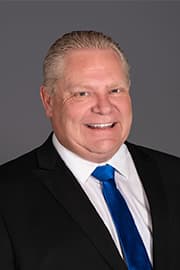
Why it matters
The audit found that in Ontario's pandemic response, the people with public health expertise were not the ones in charge. "Despite COVID-19 being a public health pandemic, we noted that those with public health expertise did not play a leading role in the ministry's response," the report said, according to The Canadian Press via Global News. Local medical officers of health told auditors they "were confused by provincial politicians delivering critical public health advice in place of the chief medical officer of health."
The structure the government built took time and grew unwieldy. According to the Auditor General's news release, the province did not use the response structure in its own emergency plan when it declared an emergency on March 17, 2020; it hired an external consultant to create a new one, and the resulting Central Co-ordination Table held its first meeting on April 11, 2020. The Health Command Table grew from 21 members to 83 participants by August, met only by teleconference until July 14, had no fulsome documentation of its discussions, and involved more than 500 people by the time of the report. CBC News reported that the government paid the consultant $1.6 million, and that the top table was co-chaired by the cabinet secretary and Ford's chief of staff, with neither Chief Medical Officer of Health Dr. David Williams nor anyone from Public Health Ontario as a member.
The slow start had consequences for testing and tracing. The auditor found that between January and August, all but one public health unit failed to report lab results within a day of specimen collection 60 per cent of the time, and that units in Toronto, Ottawa, Peel and York were slow to contact people who tested positive. "This may have led to further exposure and spreading of the virus," Lysyk said. CBC reports the audit also found the government let anyone get tested from late May to early October against public health advice, and ignored Public Health Ontario's advice on infection thresholds for its colour-coded framework.
Much of it was foreseeable. The auditor said the most important lesson of the 2003 SARS outbreak, the precautionary principle of acting early without waiting for scientific certainty, was not followed, and that recommendations on public health labs and information systems from audits in 2003, 2007, 2014 and 2017 had not been acted on. The auditor acknowledged that several of these failures began under the previous Liberal government.
Government activity on this file
via PoliMon · updated hourly- Newsroom · Auditor GeneralnewOntario Introducing New Measures to Strengthen Oversight and Accountability for Private Postsecondary InstitutionsNov 12, 2026
…te postsecondary sector to the Ontario Provincial Police and notified Ontario’s Auditor General.
- Newsroom · Auditor GeneralnewOntario Investing Over $1.5 Million to Protect and Train Ontario’s Construction WorkforceNov 10, 2026
…ivered through a strengthened program that aligns with recommendations from the Auditor General’s 2025 program review. These enhancements include: Tracking longer-term employ…
- Newsroom · Auditor GeneralnewOntario Investing Over $7.1 Million to Support Veterans, Military Personnel and First RespondersNov 9, 2026
…ivered through a strengthened program that aligns with recommendations from the Auditor General’s 2025 program review. These enhancements include: Tracking longer-term employ…
5 alerts on this file in the last 120 days
Rippling effects
The government's response was to attack the auditor. Premier Doug Ford dismissed the report as "21 pages of inaccuracies," accused Lysyk of overstepping her authority, and said: "The auditor general's job is not to be the chief medical officer, not to be the ombudsman, not to sit there and give us health advice. Stick with looking for value for money, stick with the job that we hired you for." He also suggested that co-operating with the audit had taken government resources away from fighting the pandemic.
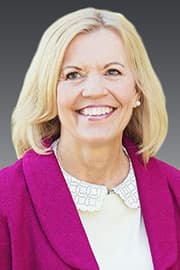
Health Minister Christine Elliott called the report "a disappointment" and "in many respects a mischaracterization of the province's pandemic response," while saying the government accepted its recommendations. At a news briefing, Ford said of Lysyk: "Don't start pretending you're a doctor or a health professional, because I can tell you, you aren't," according to CBC's As It Happens.
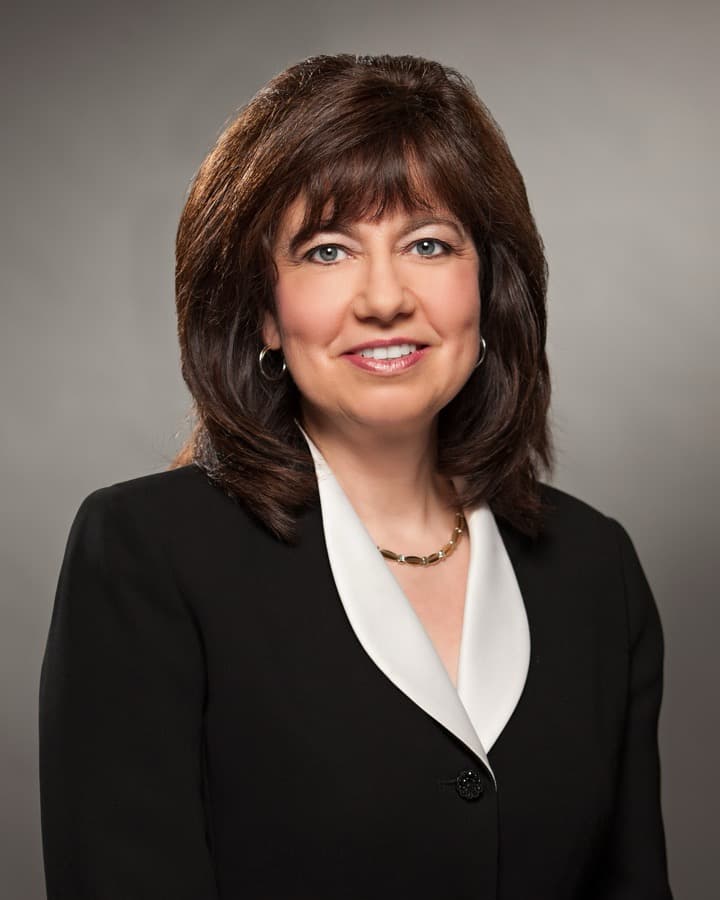
Bonnie Lysyk stood by the work. She said the report was vetted for factual accuracy by Ontario Health, public health officials and the ministry, and that the Ministry of Health had accepted the recommendations. She told As It Happens that final decisions were the government's to make, but that some public health advice "wasn't fully implemented," giving the example of a requirement that long-term care visitors show a negative test every two weeks, which Public Health Ontario and testing experts had advised against.
The report also noted that the government had not publicly released Dr. Williams's advice to the minister and cabinet despite repeated requests. The auditor said a second special report would examine health-related pandemic spending, personal protective equipment and long-term care; for the deaths in care homes and the government's response, see Long-Term Care COVID Deaths.
Sources
- News Release: Auditor General Special Report: Ontario's COVID-19 Response Faced Systemic Issues and Delays — Office of the Auditor General of Ontario
- Delays, conflicts and confusion hampered Ontario's COVID-19 response: auditor general — CBC News
- 'Delays and confusion in decision-making' impacted Ontario's COVID-19 response: AG — Global News (The Canadian Press)
- Ontario auditor stands by report on COVID response as Ford government pushes back — CBC Radio, As It Happens