Municipal CAOs Describe a "Culture of Fear"
August 18, 2026
TL;DR
A StrategyCorp survey of 32 Ontario municipal Chief Administrative Officers, released ahead of the August 2026 AMO conference, found senior municipal staff describing a provincial government that "doesn't accept dissent" and punishes public disagreement. The same CAOs said municipalities and school boards are used as a political "shield" for unpopular changes the province itself mandates.
The Web
2 connections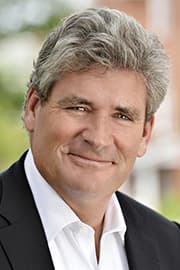
John Fraser
Interim Ontario Liberal leader; responded to the StrategyCorp CAO survey by saying "Doug Ford might look like a friendly 'hey folks' kind of guy, but don't cross him. That's what these CAOs are saying."
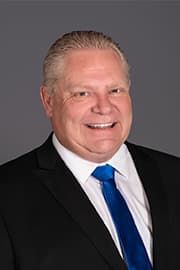
Doug Ford
Premier of Ontario and subject of the anonymous CAO criticism reported by Global News; told AMO delegates on August 17, 2026 that only AI data centre projects with community infrastructure investments would advance.
Why It Matters
Ontario's Chief Administrative Officers are the most senior non-political staff in municipal government — the people who have to implement whatever the province decides. When a sample of 32 of them tell a survey that "the province doesn't accept dissent, and you are punished for it," the complaint is not about a single policy but about whether it is safe for a municipality to say no out loud (Global News, "Punished for dissent: top municipal officials speak out about working with Ford government"). It is worth stating plainly what this evidence is: every quote is anonymized, the survey was conducted by the government relations firm StrategyCorp rather than a public body, and the account comes from a single news report. No CAO is named.
The most concrete allegation is about who absorbs the anger for provincial decisions. One CAO said municipalities and school boards are used "as the shield for the blowback to be able to say, 'well, these are municipalities doing it.'" That description maps onto a documented pattern: the province has taken direct control of school boards, rewritten the rules governing municipal accountability, replaced elected regional chairs with appointees, and legislated away liability in the Peel transition. In each case the decision was provincial; the public-facing implementation was local.
The CAOs also described how the province actually makes decisions. They called the Progressive Conservatives a "spaghetti government" — "You just throw a bunch of stuff at the wall and see what sticks." On consultation, one said: "The province says they are doing consultations, but they are doing it so quickly… It is just to tick a box and isn't meaningful." Anonymous or not, this is senior public-sector staff describing formal consultation as theatre (Global News).
Interim Liberal leader John Fraser put it this way: "Doug Ford might look like a friendly 'hey folks' kind of guy, but don't cross him. That's what these CAOs are saying."
Rippling Effects
If the anonymous CAOs are describing the system accurately, the practical consequence is that formal municipal advocacy stops working. One said outright that "You're more likely to win by sending your mayor to go talk to the Premier in his basement than win through OBCM (Ontario Big City Mayors) or AMO" (Global News). That is a description of a province where access is personal and informal, and where the collective bodies municipalities built to represent themselves are worth less than a private conversation.
The report landed at an awkward moment. The province was courting municipalities to host AI data centres, and Doug Ford told AMO delegates on Monday, August 17, 2026 that only projects with community infrastructure investments would advance — a promise of local benefit delivered to the same rooms full of officials who, a day later, were reported to believe dissent is punished. The terms on which those data centres get built are themselves contested, as documented in Bill 40 and grid favouritism.
The chilling effect is self-reinforcing and hard to measure. A CAO who believes public disagreement carries a cost will not put that disagreement on the record — which is precisely why this survey is anonymous, and why there is no named testimony to point to. The evidence here is one report of one private firm's survey of 32 people, and it should be weighed as such. But the reason it is the only evidence available is the same thing it alleges.