Weeks After Severe Flooding, Ontario Has Not Activated Disaster Relief for St. Catharines and Lincoln
July 31, 2026
TL;DR
Storms from July 21 to Aug. 2, 2026 dropped more than 300 mm of rain on St. Catharines and Lincoln, and the mayor of St. Catharines estimates 10,000 homes were damaged. Local MPP Jennie Stevens and the Town of Lincoln asked the province to activate Disaster Recovery Assistance for Ontarians (DRAO). As of Sept. 5, CBC and the Town of Lincoln said it had not been activated for Lincoln, and as of Sept. 21, 2026 no activation for either community appears on ontario.ca or in the Ontario Newsroom. The province says it is still assessing eligibility, and DRAO generally does not cover sewer backups.
The Web
4 connections
Peter Tabuns
The NDP critic for emergency preparedness and response said of the Niagara flooding: "The idea that the province did not immediately get in touch with the municipalities … was very shocking to me."
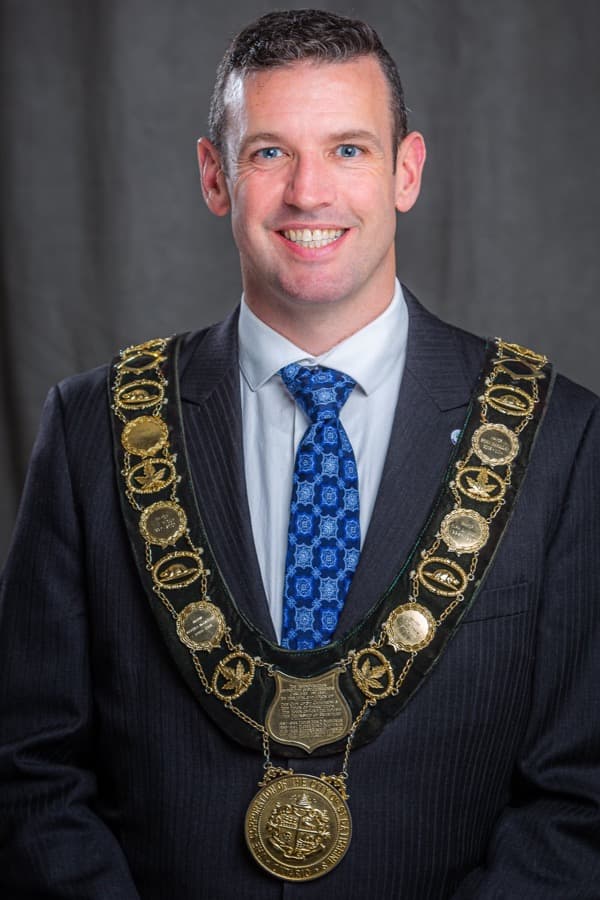
Mat Siscoe
The Mayor of St. Catharines estimated that 10,000 of the city's 45,000 homes were damaged in the flooding and that the city's costs would be $35–45 million. He said he had hoped to get commitments on disaster relief at the AMO conference, and "That didn't happen."

Jennie Stevens
On July 29, 2026, Stevens wrote to Municipal Affairs and Housing Minister Rob Flack asking him to activate Disaster Recovery Assistance for Ontarians for flood-hit Niagara. The National Observer reports he did not respond to her letter.

Rob Flack
As Minister of Municipal Affairs and Housing, Flack decides whether to activate Disaster Recovery Assistance for Ontarians (DRAO). NDP MPP Jennie Stevens asked him on July 29, 2026 to activate DRAO for flood-hit Niagara, and the National Observer reports he did not respond to her letter. As of September 5, CBC and the Town of Lincoln reported that DRAO had not been activated for Lincoln. The ministry says it is assessing whether damage from overflowing creeks, rivers or lakes may be eligible. DRAO generally does not cover sewer backups.
Why It Matters
Disaster Recovery Assistance for Ontarians is the province's program for helping households with uninsured losses after a natural disaster, and it only pays out once the province activates it for a specific area. Local officials in Niagara asked early. NDP MPP Jennie Stevens wrote to Municipal Affairs Minister Rob Flack as early as July 29, while the flooding was still going on, and the National Observer reports that Flack did not respond to her letter (MPP urges province to help Niagara residents hit by flooding with disaster recovery funding — CBC News; Funding still hasn't followed Ford's visit to flood-ravaged Ontario region — National Observer). The Town of Lincoln also requested activation. As of Sept. 5, CBC reported that, according to the Town of Lincoln, DRAO had still not been activated for any area in Lincoln (St. Catharines, Lincoln, Ont., end flooding state of emergency — CBC News). As of Sept. 16, 2026, the province's DRAO page lists activations for Ottawa and for seven municipalities hit by flooding in April 2026, but not St. Catharines or Lincoln (Apply for Disaster Recovery Assistance — Government of Ontario).
The scale of the damage is large. St. Catharines Mayor Mat Siscoe "conservatively estimates that 10,000 of the 45,000 homes in St. Catharines experienced damage," according to the National Observer, which also reports that the city's own costs are estimated at $35 million to $45 million against a $135-million annual operating budget. Siscoe discussed the response with Flack and Emergency Preparedness Minister Jill Dunlop at the Association of Municipalities of Ontario conference in August. He told the National Observer that the city had hoped for commitments on disaster relief assistance, and "That didn't happen." The municipal affairs ministry did not respond to the National Observer's request for comment.
The province has given a reason, and it should be stated plainly. It says it is assessing whether any areas were "affected by overflowing creeks, rivers, or lakes where uninsured damage may be eligible." DRAO generally does not cover sewer backups, and much of the Niagara damage involved sewage-tainted water (CBC News; National Observer). On Aug. 4, a spokesperson for Minister Dunlop's office told the Globe and Mail the province was "assessing the situation" (States of emergency declared in St. Catharines and Lincoln, Ont., after major flooding — The Globe and Mail). That means the program's rules may leave many affected households ineligible. It does not explain why, more than six weeks after the first request, the province has not publicly said which areas, if any, qualify.
This is not a story about the province staying away. Premier Doug Ford visited on Aug. 5 and met Siscoe. Siscoe told CHCH on Aug. 6 that the province had people on the ground (St. Catharines, Lincoln remain under states of emergency as flood recovery continues — CHCH). Team Rubicon Canada, deployed by the province, arrived Aug. 7, and a ministry team surveyed properties on Aug. 14. The City of St. Catharines' own Aug. 14 update called the province an "active partner" and thanked it for its "responsiveness" (July 2026 Flooding Response and Recovery — City of St. Catharines). The accountability question is narrower: the province has formal requests to activate its disaster relief program and, as of Sept. 16, has not activated it or said publicly whether it will.
Rippling Effects
The first effect falls on households. Until DRAO is activated for an area, applications are not accepted there. CHCH reported on Aug. 27 that "The DRAO program has not been activated for any area in Lincoln and applications are not currently being accepted" (Town of Lincoln requests Ontario to activate DRAO after severe floods — CHCH). Residents with uninsured damage cannot start a claim and do not know whether one will ever be possible. If the province decides much of the damage came from sewer backups, many of those households may be left out whatever the timing.
The second effect falls on municipal budgets. St. Catharines expects $35 million to $45 million in flood costs, a large share of a $135-million operating budget (National Observer). Without a provincial commitment, that money comes from reserves, deferred work or property taxes. Lincoln, a much smaller town, faces the same problem on a smaller base.
The third effect is about how the province communicates in an emergency. The National Observer's Aug. 6 reporting found no provincial boots on the ground in the first days apart from the premier's own visit (No boots on the ground from province after Niagara region floods — except Ford's — National Observer). The outlet later wrote that it took 10 days before the province deployed Team Rubicon Canada. Peter Tabuns, the Ontario NDP critic for emergency preparedness and response, said "The idea that the province did not immediately get in touch with the municipalities … was very shocking to me." Help did arrive around Aug. 6 and 7, and the city has thanked the province for it. But a minister's unanswered letter and a relief decision still pending after the emergency ended feed the wider question of how Ontario prepares for and pays for disasters, which the site also tracks in wildfire budget underfunding and northern Ontario wildfire underfunding.
The status could still change. The states of emergency in St. Catharines and Lincoln ended Sept. 3 and 4 (CBC News). A Sept. 8 Ontario Newsroom release said Ontario Corps volunteers were deployed during the response to summer flooding in Niagara Region, but through Sept. 14 the Newsroom showed no DRAO activation for the area. As of Sept. 21, 2026, the ontario.ca DRAO page lists none either (Government of Ontario). If the province activates the program for some or all of the affected area, or explains why it will not, this entry should be updated.