Social Assistance Cut Off by Immigration Status
August 13, 2026
TL;DR
On August 13, 2026 the Ford government amended the Ontario Works and ODSP regulations so that people without legal status in Canada are ineligible for social assistance, after a tribunal ruled in favour of a man whose temporary work permit had expired decades earlier.
The Web
5 connections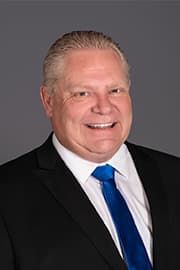
Doug Ford
Premier; said the government supports those facing hardship but that "doesn't include people living in Canada illegally."

Lisa Gretzky
As NDP critic for children, community and social services, Gretzky criticized the August 13, 2026 regulatory change barring people without permanent status from Ontario Works and ODSP.
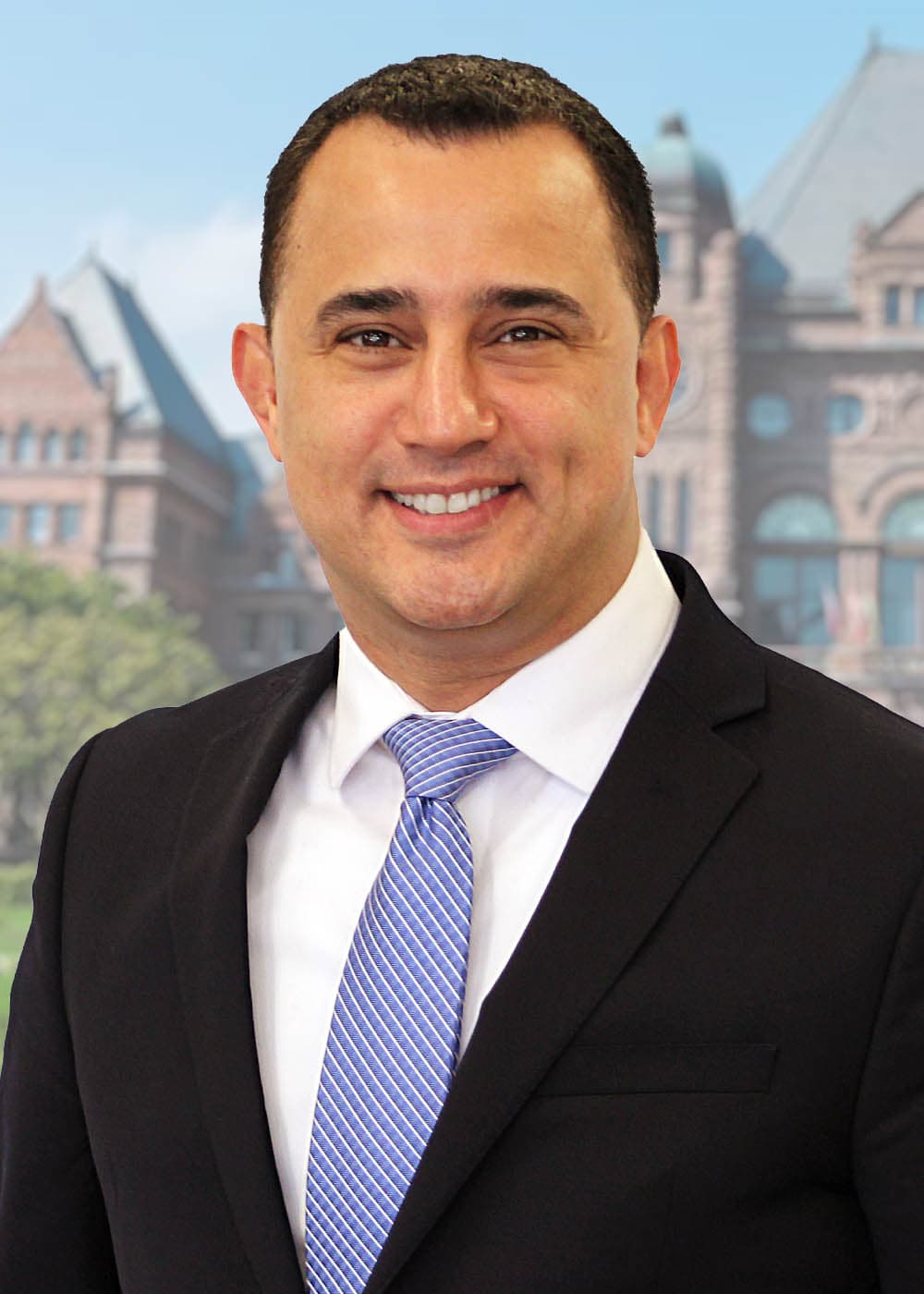
Michael Parsa
Minister of Children, Community and Social Services; said the regulation change will "ensure taxpayer dollars are focused on people facing financial hardship who are legally allowed to live in Canada."

Luisa Ortiz-Garza
Told the Toronto Star: "They are promoting xenophobia with these speeches that migrants are stealing and leeching off the systems, which we are not… I think this is just an openly racist policy." She also described who the closed exceptions covered: "We've had clients who are undocumented and are waiting for their permanent residency applications… This saved their lives."
Robin Nobleman
Told the Toronto Star that the change is narrower in practice than it was presented: most people without status and most permit holders were already ineligible for social assistance. "Before the rules changed, they were not eligible for social assistance. After the rules changed, they are still not able to access social assistance." What the old rules contained were exceptions for edge cases — failed refugee claimants who cannot be deported, and people with pending permanent residency applications — and those are what the amendment closes.
Why It Matters
Ontario Works and the Ontario Disability Support Program are the province's last-resort income supports — the payments that stand between a person and having no income at all. On August 13, 2026 the Ford government amended the regulations underlying both programs so that people without legal status in Canada are ineligible for either (CP24 / Canadian Press; CTV News).
The change was made to the regulations underpinning the two programs rather than through a bill in the legislature. That means the eligibility rule for the province's basic income floor was rewritten without the debate, committee study or recorded vote that legislation would have required.
The trigger was a specific case. A tribunal had ruled in favour of a man whose temporary work permit had expired decades earlier, awarding him Ontario Works — and the regulatory amendment followed that ruling (CP24 / Canadian Press).
The government framed the change in terms of who deserves public money. Premier Doug Ford said the government supports those facing hardship but that "that doesn't include people living in Canada illegally." Michael Parsa, Minister of Children, Community and Social Services, said the amendment would "ensure taxpayer dollars are focused on people facing financial hardship who are legally allowed to live in Canada" (CP24 / Canadian Press).
Rippling Effects
The rule change makes immigration status a threshold test for social assistance in Ontario. Someone who cannot document legal status is now ineligible regardless of how much financial hardship or disability they can demonstrate — the two grounds on which Ontario Works and ODSP otherwise turn (CTV News).
It also forecloses the route the tribunal ruling had opened. That decision established that a person whose temporary work permit had lapsed decades earlier could qualify for Ontario Works; the amended regulation removes that possibility for anyone in the same position (CP24 / Canadian Press). A tribunal outcome the government disagreed with was resolved by changing the rule the tribunal was applying.
The practical scale of the cutoff is not established on the public record: no caseload figure and no fiscal estimate appear in the confirmed reporting on the change (CP24 / Canadian Press; CTV News).
As of August 15, 2026 no legal action has been filed over the amendment. Whether the new eligibility rule is challenged, and on what grounds, remains an open question.
The practical effect is narrower than the announcement implies. Robin Nobleman, staff lawyer at the Income Security Advocacy Centre, told the Toronto Star that most people without status and most permit holders were already ineligible for social assistance: "Before the rules changed, they were not eligible for social assistance. After the rules changed, they are still not able to access social assistance." What the old rules contained were exceptions for edge cases — failed refugee claimants who cannot be deported, and people with pending permanent residency applications. Those exceptions are what the amendment closes.
The Ontario Newsroom release states the new regulations "take effect immediately" as of August 13, 2026, and makes ineligible both people in Canada illegally and people authorized to remain temporarily — student visas, work permits, and visitors or tourists. The specific O. Reg. number was not published. The Ministry of Children, Community and Social Services could not tell the Toronto Star what percentage of recipients are affected, nor what savings are projected.
Luisa Ortiz-Garza, migrant community co-ordinator at Parkdale Community Legal Services, told the Star: "They are promoting xenophobia with these speeches that migrants are stealing and leeching off the systems, which we are not… I think this is just an openly racist policy." She added that the exceptions being closed mattered: "We've had clients who are undocumented and are waiting for their permanent residency applications… This saved their lives." NDP critic for children, community and social services Lisa Gretzky also criticized the change.